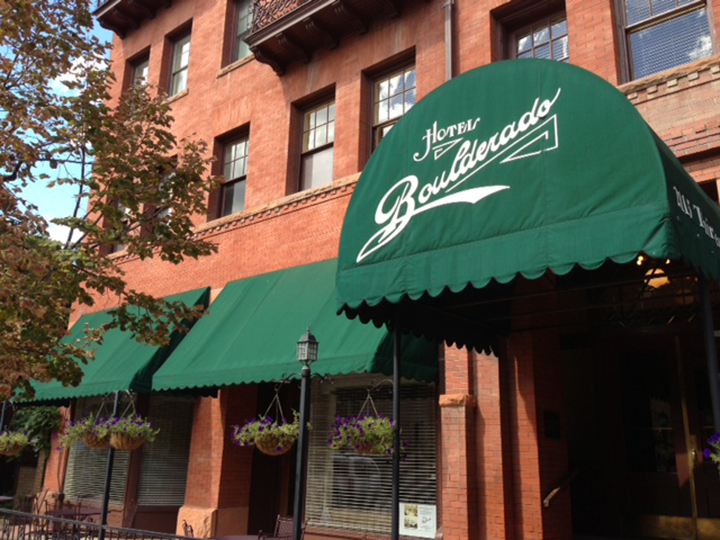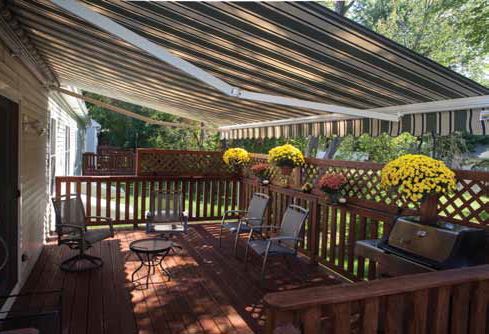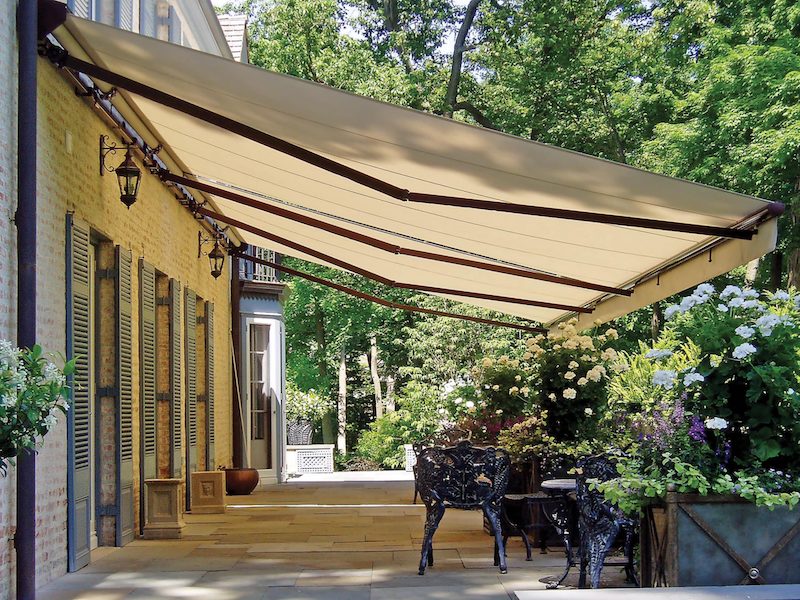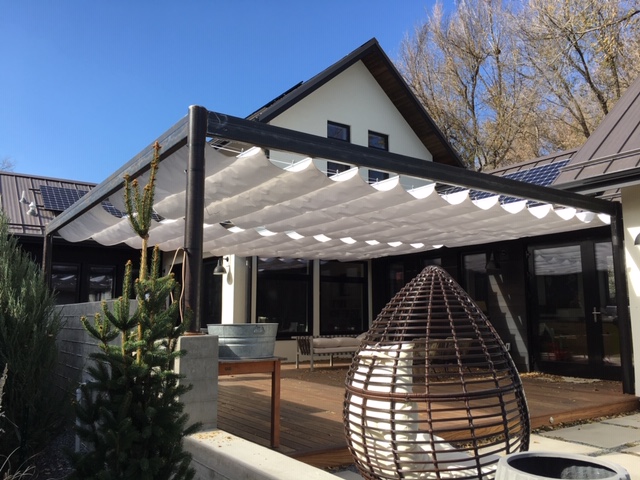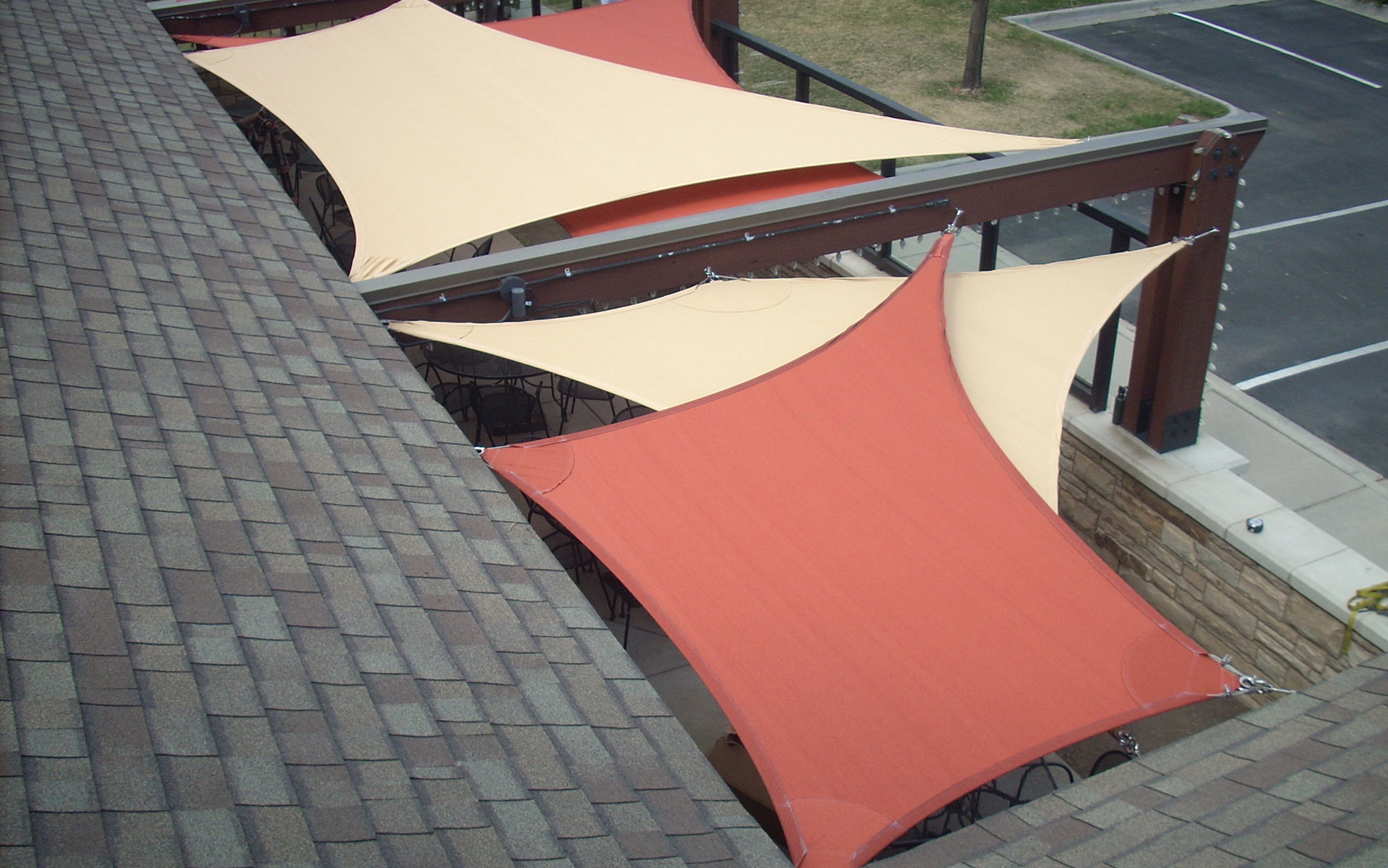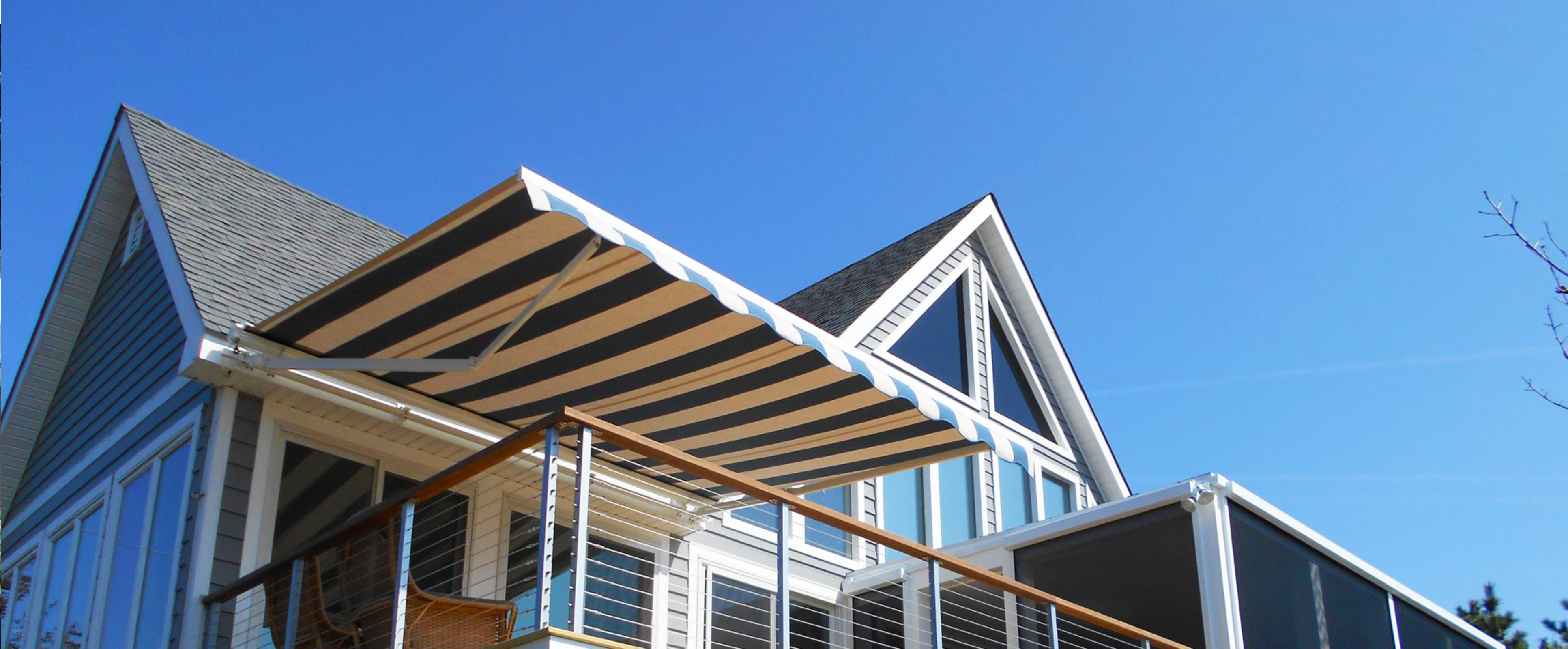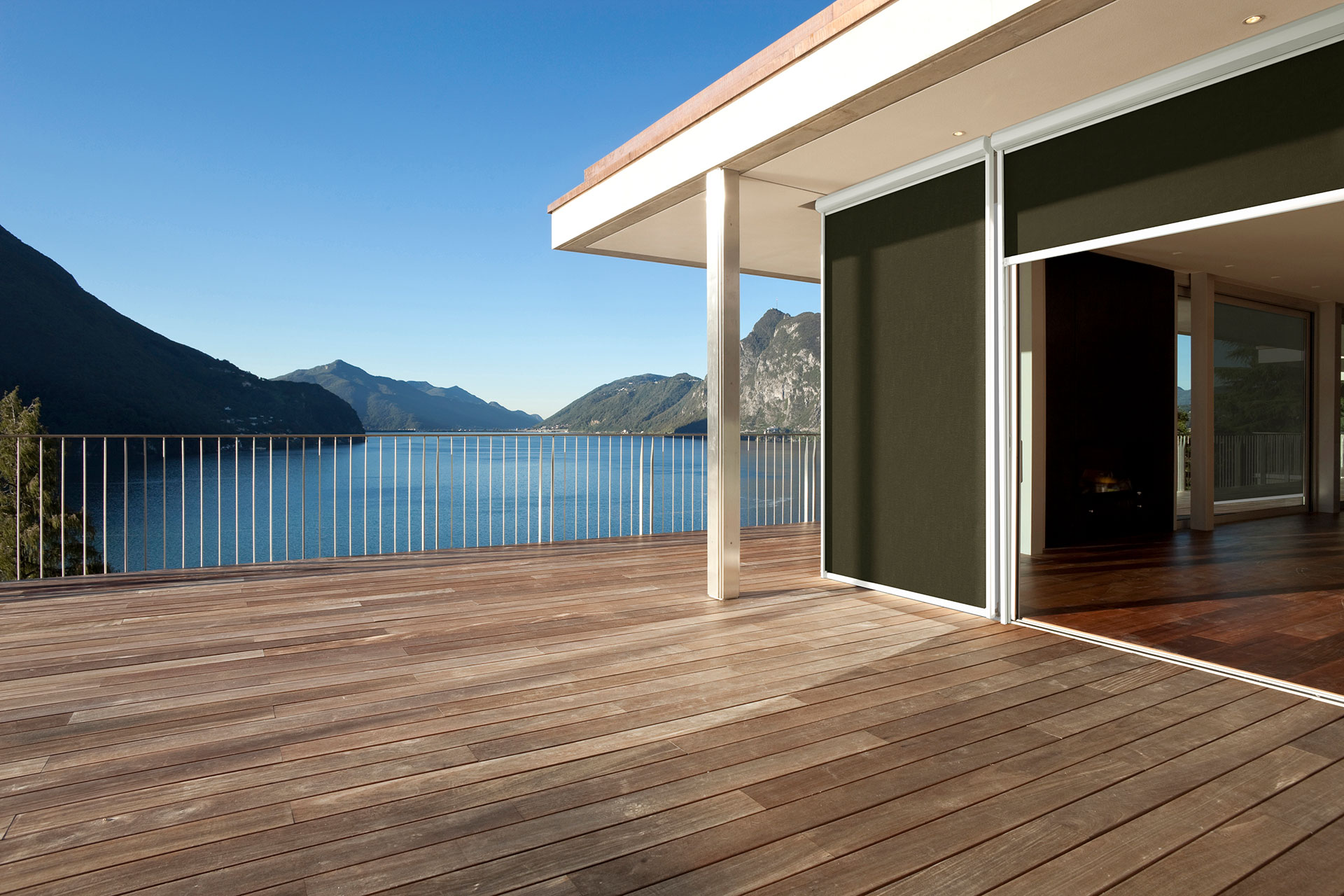

Awnings are a valuable addition to any home or business, providing shade, reducing indoor heat, and enhancing outdoor living spaces. However, as fall approaches, changing weather conditions such as wind, rain, cooler temperatures, and falling debris can put extra strain on these structures. Proper seasonal maintenance helps extend the life of your awnings, maintain their appearance, and ensure they continue to function effectively. Preparing your awnings for fall does not require complicated work, but it does require a thoughtful inspection and a few preventive steps to avoid damage during the colder months.
Inspect for Wear and Damage
The first step in preparing your awnings for fall is conducting a thorough inspection. Look closely at the fabric or material for signs of fading, tears, or thinning areas that may have developed over the summer. Check the frame for rust, corrosion, or loose joints that could weaken the structure. Even small issues can worsen quickly when exposed to fall winds and rain. Identifying damage early allows you to make repairs before seasonal weather puts additional stress on the awning.
Clean the Fabric Thoroughly
Over time, awnings collect dirt, pollen, bird droppings, and other debris that can degrade the material if left untreated. Before fall weather sets in, it is important to clean the fabric thoroughly using a gentle soap and water solution. Avoid harsh chemicals that could weaken protective coatings or cause discoloration. A soft brush or cloth can help remove stubborn stains without damaging the surface. Allow the awning to dry completely before retracting it to prevent mold or mildew growth.
Remove Leaves and Debris
Fall is known for falling leaves and increased debris, which can easily accumulate on awnings. If left unattended, this buildup can trap moisture and add unnecessary weight to the structure. Regularly clearing leaves, twigs, and dirt helps prevent sagging and reduces the risk of fabric damage. For retractable awnings, ensure the surface is clear before rolling it up. Keeping the area clean not only protects the awning but also maintains its appearance throughout the season.
Check the Retractable Mechanism
For homes with retractable awnings, it is essential to test the extension and retraction system before fall weather becomes unpredictable. Listen for unusual noises and observe whether the mechanism moves smoothly. If the awning is motorized, check the motor and remote control functions to ensure they are operating correctly. Lubricating moving parts can help improve performance and prevent sticking. Addressing mechanical issues early reduces the risk of failure during windy or rainy conditions.
Secure Loose Hardware and Fasteners
Loose bolts, screws, or brackets can compromise the stability of an awning, especially during fall storms. Carefully inspect all mounting hardware and tighten any components that have become loose over time. Pay special attention to areas where the awning connects to the building, as these points bear the most stress. Replacing worn or rusted hardware ensures that the structure remains securely attached and able to withstand seasonal weather changes.
Apply Waterproofing Treatments
As fall brings increased rainfall, protecting awning fabric from moisture becomes especially important. Applying a waterproofing treatment can help repel water and prevent it from soaking into the material. This added layer of protection reduces the risk of mold, mildew, and staining. Make sure to choose a treatment that is compatible with your awning’s material and follow the manufacturer’s instructions carefully. Regular reapplication helps maintain long-term durability and performance.
Trim Nearby Trees and Landscaping
Trees and overgrown shrubs near your awning can pose a risk during fall. Falling branches, heavy leaves, or rubbing limbs can damage both the fabric and frame. Trimming back nearby vegetation helps reduce the likelihood of physical damage and minimizes debris accumulation. This simple step not only protects your awning but also improves airflow and reduces the amount of cleaning required throughout the season.
Store or Retract Awnings When Necessary
If you live in an area that experiences strong winds, heavy rain, or early snowfall during fall, it may be best to retract or store your awning when it is not in use. Retractable awnings should always be closed during severe weather to prevent damage. For removable fabric awnings, consider taking them down and storing them in a dry, protected space. Proper storage helps preserve the material and ensures it is ready for use when warmer weather returns.
Inspect Drainage and Water Flow
Proper drainage around your awning is essential to prevent water from pooling or running back toward the structure. Check gutters, downspouts, and nearby surfaces to ensure water is being directed away from the awning area. Standing water can increase humidity levels and contribute to material deterioration. Keeping drainage systems clear and functional helps protect both the awning and the surrounding outdoor space.
Test Wind Resistance Features
Some modern awnings come equipped with wind sensors or automatic retraction systems designed to protect them during strong gusts. Before fall arrives, test these features to ensure they are functioning properly. If your awning does not include these systems, consider manually monitoring weather conditions and retracting the awning when winds increase. Being proactive about wind protection is one of the most effective ways to prevent structural damage.
Schedule Professional Maintenance if Needed
While many awning maintenance tasks can be done by homeowners, some issues may require professional attention. If you notice significant wear, mechanical problems, or structural concerns, it may be best to schedule a professional inspection. Experts can assess the condition of the awning, make necessary repairs, and ensure that all components are safe and functional. Professional maintenance can extend the life of your awning and provide peace of mind heading into the fall season.
Preparing your awnings for fall is an important step in maintaining their durability, appearance, and performance. By inspecting for damage, cleaning the fabric, securing hardware, and protecting against weather conditions, homeowners can ensure their awnings remain in excellent condition throughout the season. Taking proactive maintenance measures not only prevents costly repairs but also extends the lifespan of the structure. With proper care, your awnings will continue to enhance your outdoor space and provide reliable protection for many seasons to come.