
Protecting Your Home from the Sun: The Power of Retractable Awnings

During the summer months, strong sunlight can make outdoor spaces uncomfortable and even increase indoor cooling costs. Too much direct sun exposure can also cause fading to furniture, flooring, and exterior materials over time. One of the most effective and flexible solutions for managing sun exposure are retractable awnings. These systems provide shade when you need it and can be easily retracted when you want full sunlight, making them a practical and stylish addition to any home.

How Retractable Awnings Work

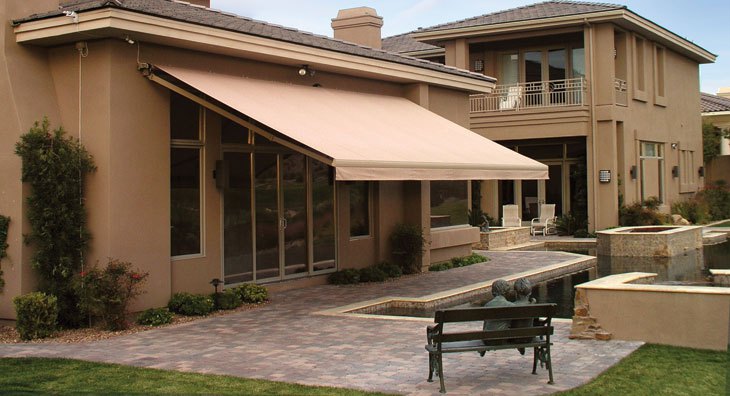
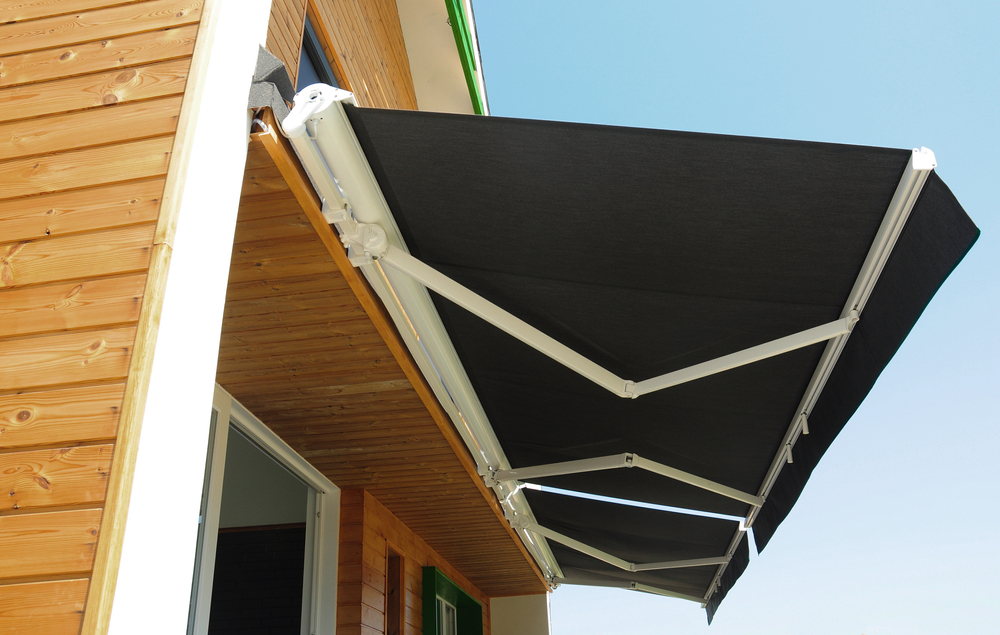
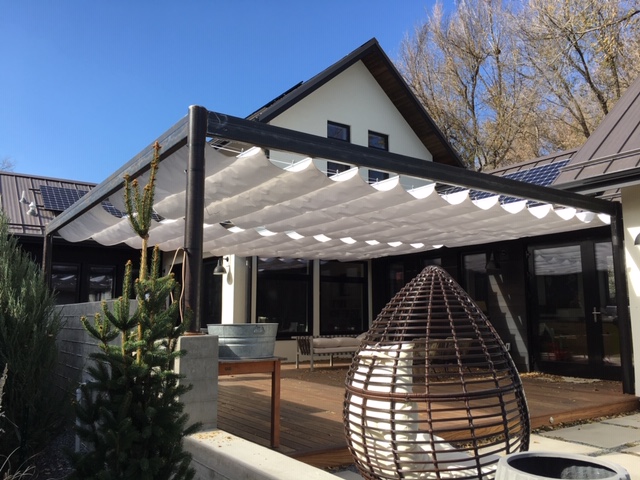
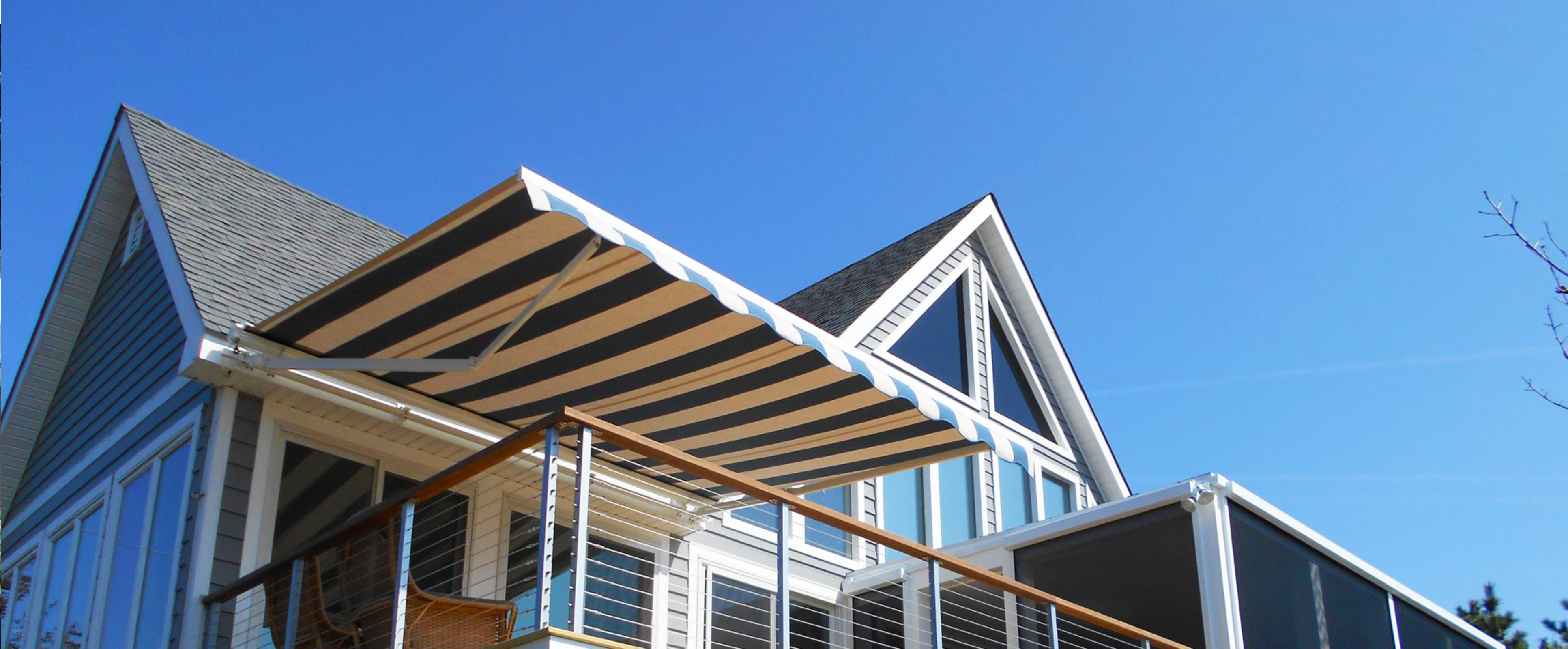
Retractable awnings are shading systems installed on the exterior of a home, typically above patios, decks, or windows. They extend outward to create shade and retract back when not in use. Most modern awnings can be operated manually with a crank or automatically with a motorized system. This flexibility allows homeowners to control sunlight and shade based on weather conditions and personal preference.

Reducing Indoor Heat and Energy Costs

One of the biggest benefits of retractable awnings is their ability to reduce indoor temperatures. By blocking direct sunlight from entering windows and glass doors, they help keep your home cooler naturally. This reduces the need for air conditioning, which can lower energy bills during peak summer months. Over time, this energy efficiency makes awnings a cost-effective home improvement.

Protecting Outdoor Living Spaces

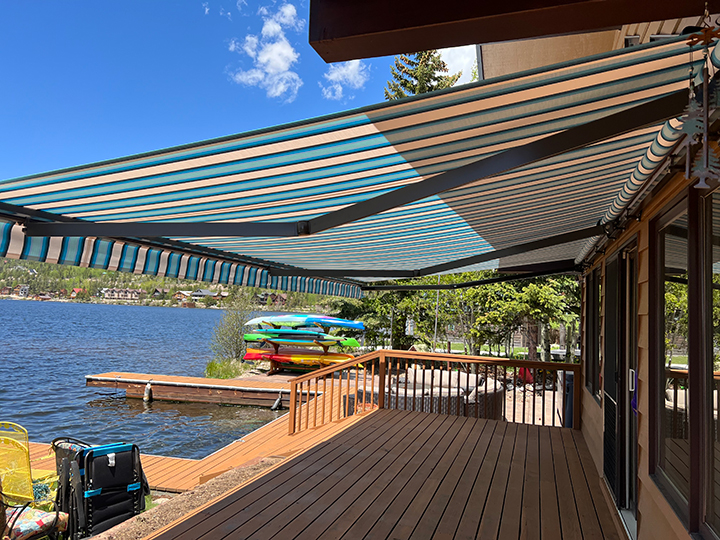
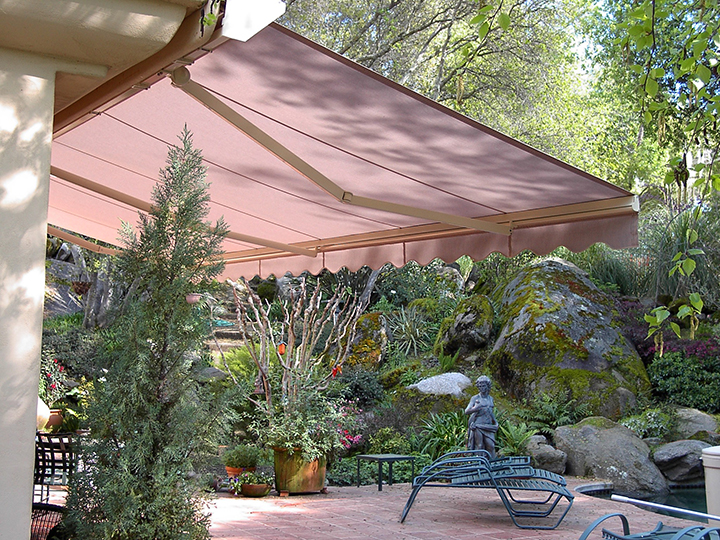
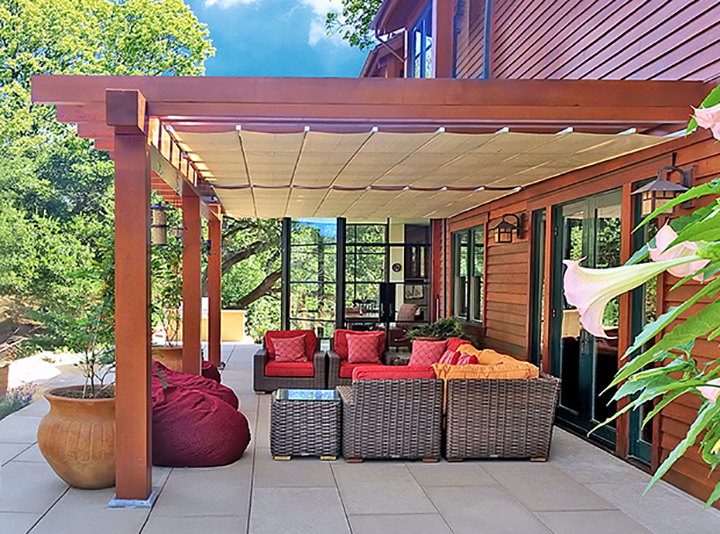
Outdoor areas like patios and decks can become too hot to enjoy during intense sunlight. Retractable awnings create comfortable shaded spaces where you can relax, dine, or entertain guests. They allow you to use your outdoor areas more frequently throughout the day, even during the hottest parts of summer. This makes your backyard feel like a true extension of your home.

Preventing Sun Damage to Furniture and Materials

UV rays can cause significant damage to outdoor and indoor furnishings. Over time, exposure can lead to fading, cracking, and deterioration of fabrics, wood, and other materials. Retractable awnings act as a protective barrier, reducing UV exposure and helping preserve the condition of your furniture, rugs, and flooring. This protection extends the lifespan of your investments.

Flexible Shade Control Throughout the Day

Unlike permanent structures, retractable awnings offer adjustable shade. You can extend them during peak sunlight hours and retract them in the evening or on cloudy days. This flexibility allows you to enjoy natural light when desired while still having protection when needed. It gives homeowners more control over their outdoor and indoor environments.

Enhancing Curb Appeal and Home Design

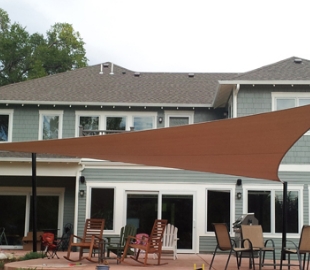
Retractable awnings are not just functional—they also add visual appeal to a home’s exterior. Available in a wide range of colors, patterns, and materials, they can complement your home’s architectural style. Whether you prefer a modern, clean look or a more traditional design, awnings can enhance curb appeal while serving a practical purpose.

Increasing Comfort for Outdoor Entertaining

If you enjoy hosting gatherings, retractable awnings can make your outdoor space more comfortable for guests. They provide shade for seating and dining areas, helping everyone stay cool even on hot days. This makes summer entertaining more enjoyable and allows events to last longer without discomfort from direct sun exposure.

Motorized Options for Convenience

Modern retractable awnings often come with motorized systems that make operation effortless. With the push of a button or remote control, you can extend or retract the awning in seconds. Some advanced models even include sensors that automatically adjust the awning based on wind or sunlight conditions, offering both convenience and protection.

Durability and Weather Resistance

High-quality retractable awnings are designed to withstand outdoor conditions such as sun exposure, light rain, and wind. The materials used are typically UV-resistant and water-repellent, ensuring long-term performance. Proper installation and occasional maintenance help ensure the awning remains in good condition for many years.

Easy Maintenance and Care

Maintaining a retractable awning is relatively simple. Regular cleaning of the fabric helps prevent dirt and mildew buildup. It’s also important to retract the awning during severe weather conditions to prevent damage. Periodic inspection of mechanical components ensures smooth operation and extends the lifespan of the system.

A Smart Investment for Year-Round Benefits

Retractable awnings offer both immediate and long-term benefits for homeowners. They improve comfort, reduce energy costs, and protect your home from sun damage while enhancing outdoor living spaces. Their flexibility and style make them a valuable addition to any property. By investing in a retractable awning, you can enjoy a more comfortable, energy-efficient, and visually appealing home throughout the summer and beyond.

How to Extend the Life of Your Awning: Maintenance Tips for Homeowners

Awnings are a great way to enhance your outdoor living space, providing shade and protection from the elements. To ensure your awning lasts for years, regular maintenance is key. Here are some simple tips to help extend its lifespan.

Clean Your Awning Regularly

Dirt, debris, and bird droppings can accumulate on your awning, potentially damaging the fabric over time. Clean it regularly using a mild soap solution and a soft brush. Avoid harsh chemicals that could break down the material. Be sure to clean both the top and bottom to prevent mold and mildew growth.

Check for Wear and Tear

Inspect your awning periodically for signs of damage, such as frayed edges, tears, or weakened support structures. Small issues can be addressed early, preventing more costly repairs down the line. If you notice significant damage, consider consulting a professional to repair or replace the awning.

Retract the Awning When Not in Use4

Retracting your awning during harsh weather conditions, such as heavy rain or strong winds, will prevent unnecessary stress on the fabric and frame. This simple step can prevent premature wear and protect your investment.

Protect Against the Sun

Overexposure to sunlight can cause the fabric to fade and weaken. Consider installing an awning with UV-resistant material, or apply a UV protectant to the fabric for added protection against the sun’s harmful rays.

A well-maintained awning can serve you reliably for years, but it takes regular care to stay in top shape. By cleaning it routinely, checking for damage, retracting it during bad weather, and protecting it from UV rays, you’ll extend its life and preserve its appearance. A little upkeep now saves you time, money, and headaches later—while keeping your outdoor space comfortable and stylish.

How to Winterize Your Awning to Protect It from Harsh Weather

As winter approaches, taking steps to winterize your awning can prolong its lifespan and maintain its appearance. Proper preparation ensures that your outdoor space remains functional and inviting despite the harsh weather. Here are some essential tips to protect your awning this season.

Clean and Inspect Your Awning 

Before winter sets in, thoroughly clean your awning to remove dirt, debris, and mildew. Use a mild detergent and a soft brush to scrub the fabric gently, then rinse with water. Once cleaned, inspect for any damage, such as tears, frayed edges, or rusted hardware. Addressing these issues promptly will help prevent further deterioration during winter.

Retract Your Awning 

If you have a retractable awning, the best way to protect it from snow and ice is to retract it when harsh weather is forecasted. This minimizes exposure to heavy loads that could cause damage. For fixed awnings, ensure they are securely anchored to withstand strong winds and snowfall.

Use a Protective Cover 

Investing in a protective cover for your awning is an excellent way to shield it from winter elements. Covers made from durable, weather-resistant materials can prevent ice and snow accumulation while also protecting against UV rays and debris. Ensure the cover fits snugly to avoid wind damage.

Regular Maintenance Checks 

Throughout winter, periodically check your awning for any signs of damage or wear. Clear away any snow or ice buildup to prevent excessive weight and pressure on the fabric. By taking these proactive measures, you can ensure your awning remains in top condition and ready for use when warmer weather returns.

By cleaning, inspecting, retracting, covering, and performing regular maintenance checks, you can protect your awning from the harsh effects of winter weather. These proactive steps help maintain the appearance and durability of your awning, saving you from costly repairs or replacements down the line. With a little preparation, your awning will stay in excellent condition, ready to enhance your outdoor space as soon as the warmer months return.

How to Winterize Your Retractable Awning

Cleaning the Awning Fabric

Before storing your retractable awning for the winter, it’s essential to thoroughly clean the fabric. Use a mild soap and water solution to gently scrub away dirt, mildew, and stains. Rinse it well and allow it to completely dry to prevent mold and mildew growth during storage. A clean awning will be ready to use when the warm weather returns.

Inspecting for Damage

Carefully inspect the awning for any signs of wear or damage. Look for tears, holes, or frayed edges in the fabric, and check the frame for any bent or broken parts. Addressing these issues before winter can prevent further damage and ensure that your awning is in good condition for the next season. Repair or replace any damaged parts as needed.

Lubricating the Moving Parts

To keep the retractable mechanism functioning smoothly, lubricate all moving parts, such as hinges, springs, and joints. Use a silicone-based lubricant to prevent rust and ensure easy operation. Regular maintenance of these components will extend the life of your awning and ensure it operates smoothly when you need it again.

Retracting and Covering the Awning

Once the awning is clean, inspected, and lubricated, retract it fully to protect it from harsh winter weather. Use a protective cover specifically designed for retractable awnings to shield it from snow, ice, and debris. This cover will help maintain the condition of the awning and reduce the need for repairs come spring.

Checking the Mounting Hardware

Ensure that the mounting hardware securing the awning to your home is still tight and in good condition. Tighten any loose screws or bolts and replace any corroded hardware. Properly secured mounting hardware is crucial for the stability and safety of your awning.

Winterizing your retractable awning is a straightforward process that can significantly extend its lifespan. By cleaning, inspecting, lubricating, retracting, and covering your awning, as well as checking the mounting hardware, you can protect your investment and ensure it remains in excellent condition for years to come.

Awning Accessories: Wind Sensors, Remote Controls, and Smart Home Integration

Adding accessories to your awning can enhance its functionality, convenience, and overall appeal. Here are some popular awning accessories that can take your outdoor experience to the next level:

Wind Sensors

Wind sensors are a valuable accessory for awnings, especially in areas prone to strong gusts. These sensors can detect high winds and automatically retract the awning to prevent damage. They provide peace of mind, knowing that your awning is protected even when you’re not around to monitor it.

Remote Controls

Remote controls allow you to operate your awning with ease. With just the push of a button, you can extend or retract your awning to adjust to changing weather conditions or create the perfect outdoor ambiance. Remote controls are convenient and user-friendly, making them a popular choice among awning owners.

Smart Home Integration

For the ultimate convenience and control, consider integrating your awning with your smart home system. This allows you to operate your awning using voice commands or smartphone apps, giving you complete control from anywhere. Smart home integration also opens up possibilities for automating your awning based on weather forecasts or time of day.

Adding accessories like wind sensors, remote controls, and smart home integration can enhance the functionality and convenience of your awning. These accessories not only make operating your awning easier but also provide added protection and control, allowing you to enjoy your outdoor space to the fullest.

Elevating Your Outdoor Space: The Decision to Install Awnings

Deciding to install awnings is a fantastic choice to enhance your outdoor living space. Awnings provide shade, protect against the elements, and add a touch of style to your home. Before diving into the installation process, understanding what to expect ensures a smooth and successful awning enhancement to your property.

Site Assessment and Design Consultation: Tailoring Solutions to Your Space

The awning installation process typically begins with a site assessment and design consultation. Professionals will evaluate your outdoor space, considering factors such as the layout, dimensions, and your specific requirements. This initial step ensures that the awnings selected and the installation plan align with your aesthetic preferences and functional needs.

Material Selection and Customization: Personalizing Your Awnings

Awnings come in a variety of materials, each offering unique benefits. During the installation process, you’ll have the opportunity to select the material that best suits your style and climate considerations. Whether opting for durable canvas, weather-resistant polyester, or metal options, customization allows you to tailor the awnings to your home’s architecture and your personal taste.

Professional Installation: Precision and Expertise

Once the design is finalized and materials are chosen, the installation phase begins. Professional installers bring precision and expertise to ensure that the awnings are securely and accurately installed. This step includes attaching the awning frame, securing the fabric or material, and making any necessary adjustments to guarantee a snug fit and optimal functionality.

Operational Features and Testing: Ensuring Seamless Functionality

Most modern awnings come with various operational features, such as manual cranks or motorized systems. As part of the installation process, professionals will test these features to ensure smooth functionality. Motorized awnings, for example, may undergo thorough testing to verify proper operation and address any potential issues.

Final Inspection and Customer Guidance: Ready to Enjoy Your Outdoor Oasis

After the installation is complete, a final inspection is typically conducted to ensure that every aspect meets quality standards. Installers may provide guidance on care and maintenance to maximize the lifespan of your awnings. With the installation process concluded, you’re ready to enjoy your newly enhanced outdoor oasis with the added benefits of shade, style, and protection.

Get a Free Estimate