A commercial awning can do much more than add shade to the front of your building. The right awning can improve curb appeal, help customers find your entrance, protect outdoor areas, and make your business look more polished and inviting. Whether you own a restaurant, retail store, office, salon, hotel, medical practice, or service-based business, choosing the best commercial awning starts with understanding your goals, building style, and daily customer experience.
Before choosing a commercial awning, think about what you need it to do. Some businesses want shade for windows and outdoor seating, while others need weather protection over entrances, clearer branding, or a more attractive storefront. Knowing the main purpose helps you choose the right size, shape, material, color, and placement.
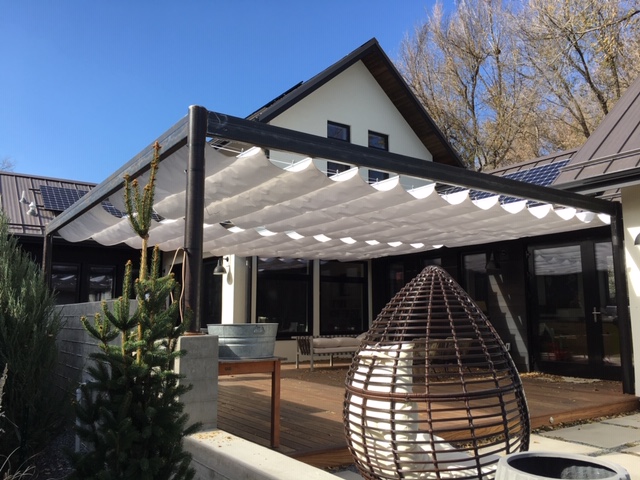
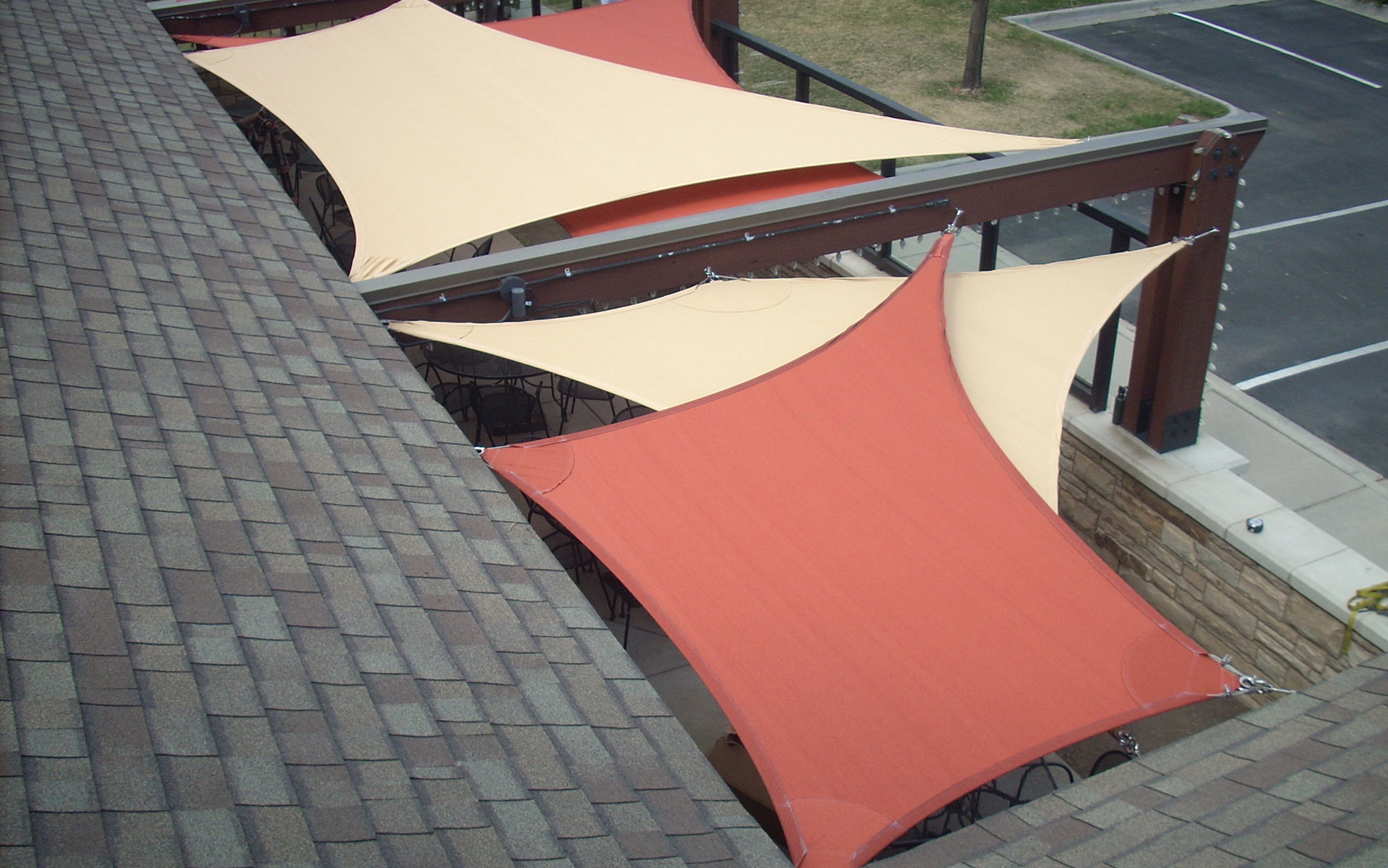
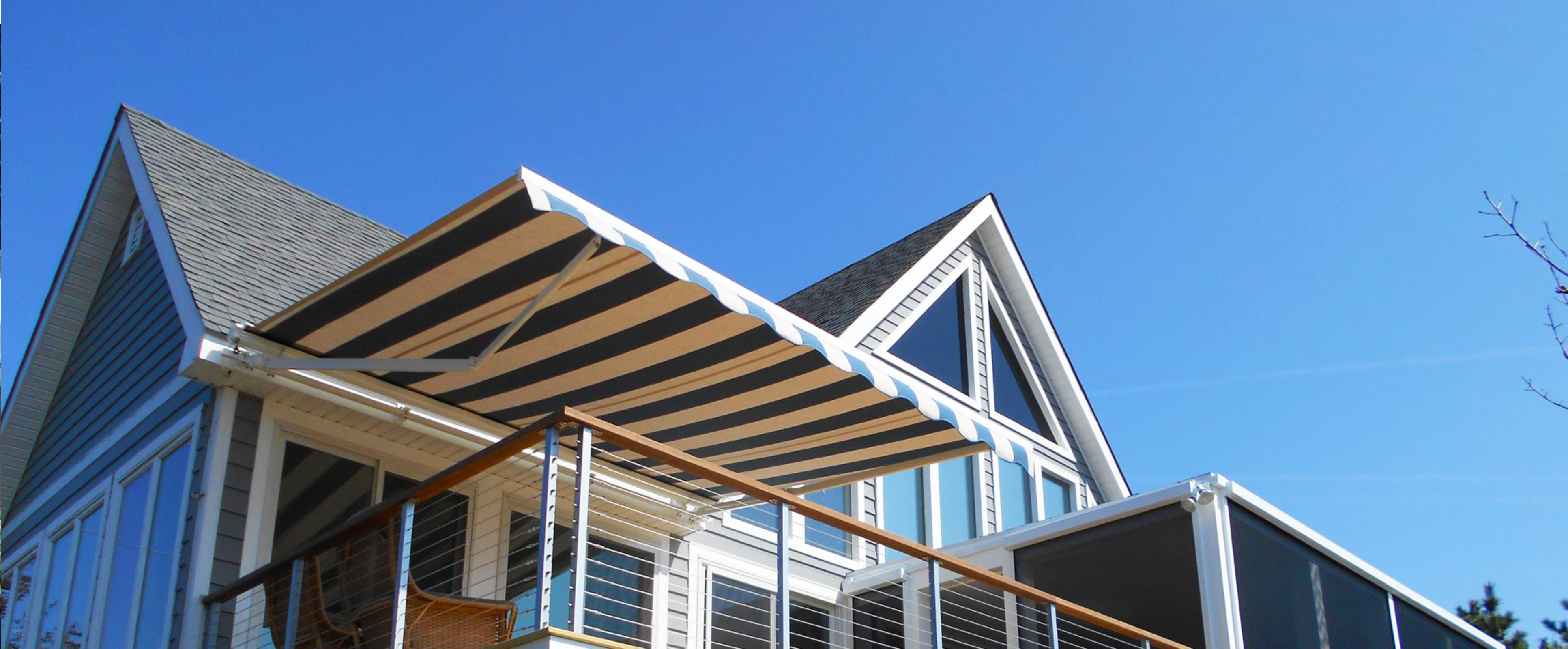
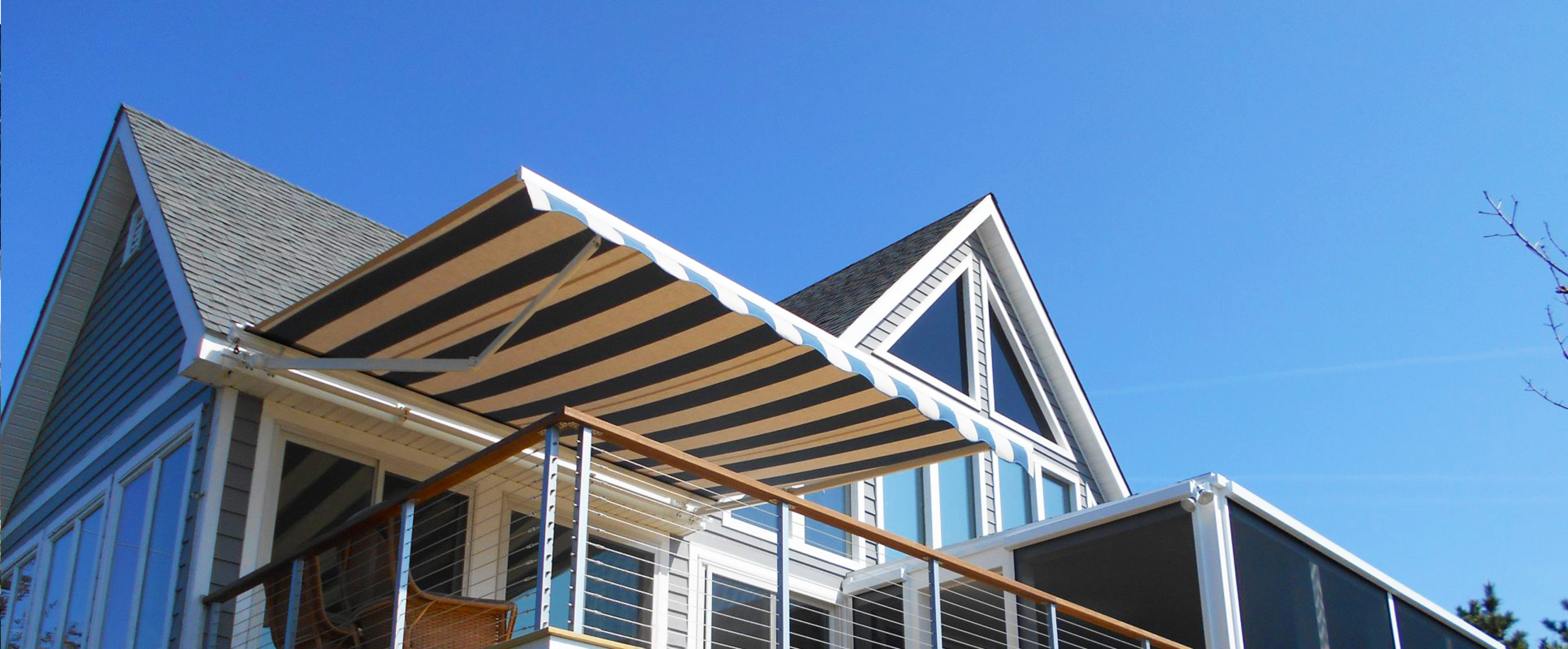
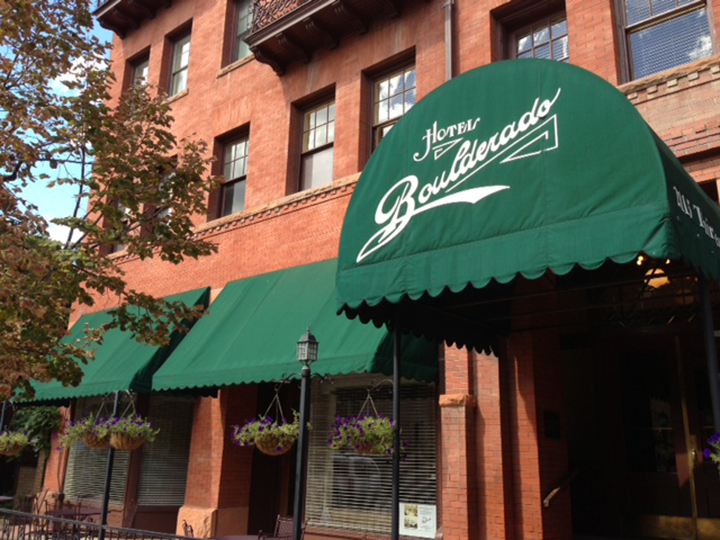
Commercial awnings come in many styles, including traditional slope awnings, dome awnings, waterfall awnings, concave designs, convex designs, retractable awnings, and entrance canopies. A restaurant may benefit from a large awning over outdoor seating, while a boutique may prefer a decorative storefront awning that frames the windows. The best style should support both function and appearance without blocking signs, doors, or important architectural details.
A commercial awning should look like it belongs on your building. Pay attention to the roofline, windows, doors, exterior materials, colors, and overall design style before making a choice. An awning that matches the building’s character can make your storefront feel more professional, while one that clashes can make the exterior look less organized.
The material you choose affects how long your awning lasts and how much maintenance it needs. Common commercial awning materials include fabric, metal, aluminum, vinyl, acrylic, and polycarbonate, each offering different levels of durability, flexibility, and weather resistance. For busy businesses, it is smart to choose a material that can handle sun, rain, wind, dirt, and daily exposure without fading or wearing out too quickly.
A good commercial awning should protect customers, employees, doors, windows, and outdoor spaces from the elements. If your building gets strong sun, heavy rain, or frequent wind, you may need a stronger frame, weather-resistant fabric, waterproof coating, or a fixed canopy design. Better weather protection can make entrances safer, reduce glare, and help outdoor areas stay more comfortable.
Your awning can act as a powerful branding tool. Adding your business name, logo, colors, phone number, website, or simple tagline can make your storefront easier to recognize from the street. The design should be clean and readable, with enough contrast so customers can understand it quickly while walking or driving by.
Awning color affects both visibility and style. Bold colors can help your business stand out, while neutral colors may create a more refined and timeless look. Choose colors that match your brand, complement the building, and hold up well under sunlight and outdoor exposure.
A commercial awning needs to be properly sized for the area it covers. An awning that is too small may not provide enough shade or visibility, while one that is too large may overwhelm the building or interfere with walkways, signs, lighting, or neighboring spaces. Professional measurements can help ensure the awning fits correctly and meets any local code or property requirements.
Many cities, shopping centers, business parks, and property owners have rules about commercial awnings. You may need approval for size, projection, color, signage, lighting, placement, or installation method before the awning can be installed. Checking these requirements early can help prevent delays, redesigns, fines, or removal after installation.
Lighting can make your commercial awning more effective after dark. Backlit awnings, external lights, sign lighting, or nearby architectural lighting can help customers find your business in the evening. Good lighting can also improve safety around entrances, sidewalks, outdoor dining areas, and parking zones.
Every commercial awning needs some level of care to stay attractive and functional. Fabric awnings may need regular cleaning and occasional retreatment, while metal awnings may need inspections for dents, rust, loose fasteners, or drainage issues. Choosing a material and design that fits your maintenance capacity will help your awning look better for longer.
Commercial awnings need to be designed, fabricated, and installed correctly to perform well. An experienced awning company can help you choose the right style, material, frame, branding, and mounting method for your building. Professional installation also helps improve safety, durability, and compliance with local requirements.
Choosing the best commercial awning for your business comes down to balancing appearance, function, branding, durability, and customer comfort. The right awning can make your storefront easier to find, protect customers from sun and rain, support your brand, and improve the overall look of your building. With thoughtful design and professional installation, a commercial awning can become a practical investment that helps your business stand out every day.