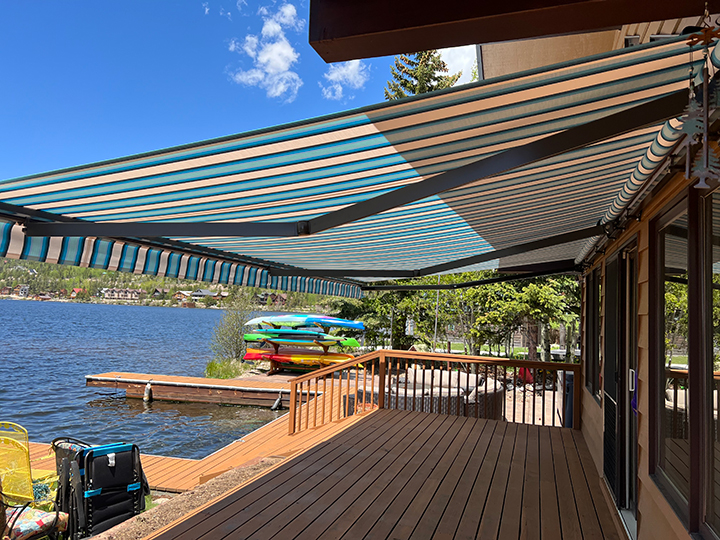
Why Commercial Awnings Are Essential for Your Business in 2026

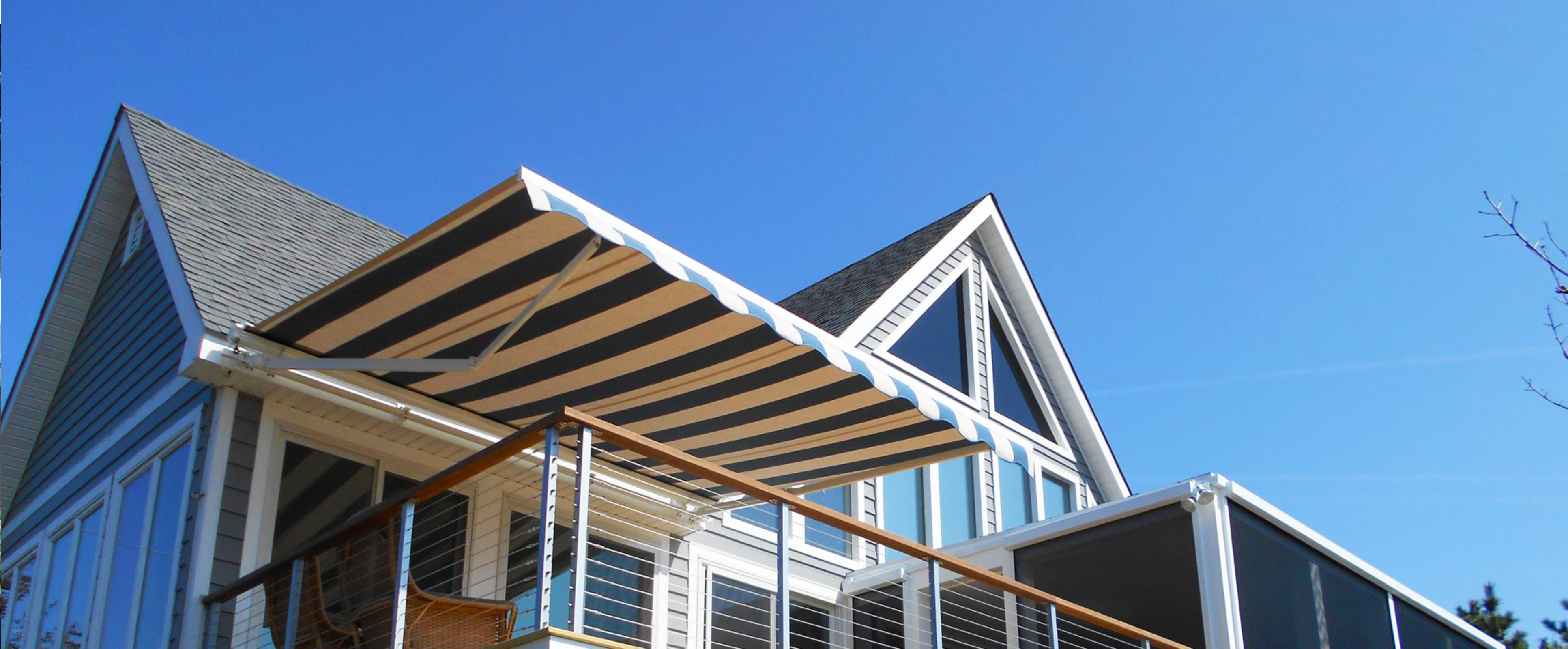
In today’s competitive marketplace, first impressions and customer comfort matter more than ever. As businesses adapt to new consumer expectations in 2026, commercial awnings are becoming an increasingly popular and practical investment. Far beyond simple shade structures, modern awnings combine functionality, style, and sustainability to enhance curb appeal, reduce energy costs, and improve the overall customer experience. Whether you own a café, retail shop, restaurant, or office, a well-designed awning can make your business stand out while supporting long-term success.

Boosting Curb Appeal and Brand Visibility

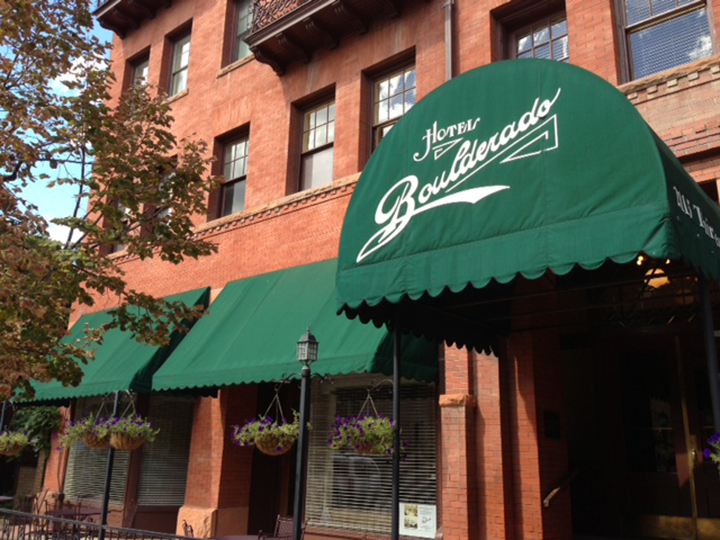
The exterior of your business sets the tone for what customers can expect inside. Awnings create an inviting and polished look that draws attention and distinguishes your storefront from competitors. With customizable designs, colors, and branding options, you can incorporate your logo, business name, or signature color scheme directly onto your awning. This turns a practical addition into a marketing tool that strengthens brand recognition. In 2026, where visual branding is key to attracting customers both in person and online, a striking awning helps make your business more memorable.

Enhancing Customer Comfort and Experience

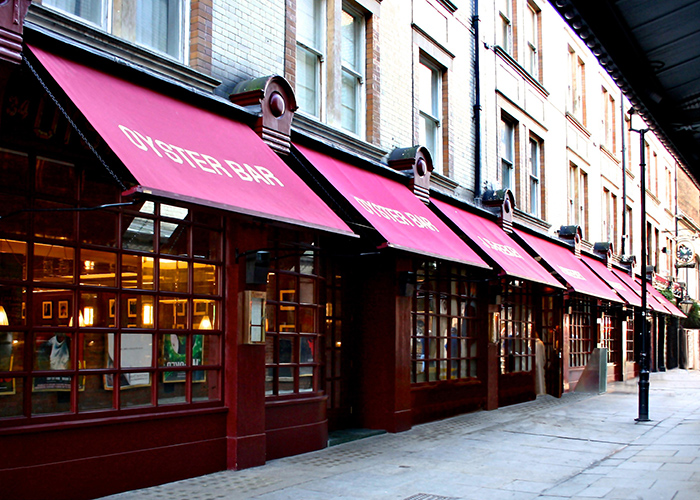
Customer comfort directly affects how long people stay and how likely they are to return. Awnings provide shade from the sun, shelter from rain, and protection from glare—creating a more pleasant outdoor experience for patrons. Restaurants can extend seating outdoors without worrying about unpredictable weather, while retail stores can offer shaded areas for window shopping or browsing. As more customers value comfort, convenience, and outdoor options, businesses with functional awnings gain an advantage in delivering the kind of experience that encourages repeat visits.

Reducing Energy Costs and Improving Efficiency

Energy efficiency is a growing priority for businesses in 2026, and awnings can make a measurable difference in reducing operational costs. By blocking direct sunlight from windows and entryways, they help regulate indoor temperatures and lessen the need for air conditioning during warmer months. This leads to lower utility bills and reduced environmental impact. Modern awning materials are designed with UV-resistant and reflective coatings, maximizing their effectiveness in temperature control while preserving their appearance over time.

Expanding Usable Space

For many businesses, every square foot matters. Awnings allow you to extend usable space beyond your building’s interior, making it possible to serve more customers or showcase more products. For restaurants and cafés, this means adding comfortable, shaded outdoor dining areas that attract passersby. For retail stores, awnings can create attractive display zones or outdoor waiting areas. Even offices and professional spaces benefit from covered entryways that make arrivals and departures more welcoming. Expanding usable space in this way not only improves functionality but also adds perceived value to your property.

Weather Protection and Longevity

Awnings provide essential protection from the elements—for both your customers and your business investment. By shielding windows, doors, and signage from harsh sun, rain, or snow, awnings help extend the life of your exterior materials and reduce maintenance costs. They prevent fading, warping, and water damage, all of which can lead to expensive repairs over time. High-quality awnings made from durable fabrics and reinforced frames are designed to withstand a range of weather conditions, ensuring reliable performance year-round.

Strengthening Brand Identity and Professionalism

A professional-looking exterior signals quality and trustworthiness to potential customers. Awnings contribute to a cohesive visual identity, tying together your business’s architectural elements and branding. For franchises or multi-location companies, uniform awning designs help maintain brand consistency across sites. For independent businesses, a distinctive awning design reinforces personality and style, helping you stand out in a crowded marketplace. In 2026, when digital marketing drives people to visit physical locations, an appealing exterior supported by an attractive awning helps convert curiosity into foot traffic.

A Smart Investment for Long-Term Growth

Ultimately, a commercial awning is more than just an accessory—it’s a long-term investment in your business’s image, comfort, and efficiency. With modern materials, customizable designs, and sustainability benefits, awnings are perfectly suited for the demands of 2026 and beyond. They enhance visual appeal, reduce costs, protect assets, and create spaces where customers feel welcomed and valued.

In an era when experience and aesthetics drive customer loyalty, a well-designed awning helps your business make a lasting impression. Whether you’re refreshing your storefront or expanding your outdoor space, investing in a commercial awning ensures your business is ready to thrive—rain or shine.

How to Extend the Life of Your Awning: Maintenance Tips for Homeowners

Awnings are a great way to enhance your outdoor living space, providing shade and protection from the elements. To ensure your awning lasts for years, regular maintenance is key. Here are some simple tips to help extend its lifespan.

Clean Your Awning Regularly

Dirt, debris, and bird droppings can accumulate on your awning, potentially damaging the fabric over time. Clean it regularly using a mild soap solution and a soft brush. Avoid harsh chemicals that could break down the material. Be sure to clean both the top and bottom to prevent mold and mildew growth.

Check for Wear and Tear

Inspect your awning periodically for signs of damage, such as frayed edges, tears, or weakened support structures. Small issues can be addressed early, preventing more costly repairs down the line. If you notice significant damage, consider consulting a professional to repair or replace the awning.

Retract the Awning When Not in Use4

Retracting your awning during harsh weather conditions, such as heavy rain or strong winds, will prevent unnecessary stress on the fabric and frame. This simple step can prevent premature wear and protect your investment.

Protect Against the Sun

Overexposure to sunlight can cause the fabric to fade and weaken. Consider installing an awning with UV-resistant material, or apply a UV protectant to the fabric for added protection against the sun’s harmful rays.

A well-maintained awning can serve you reliably for years, but it takes regular care to stay in top shape. By cleaning it routinely, checking for damage, retracting it during bad weather, and protecting it from UV rays, you’ll extend its life and preserve its appearance. A little upkeep now saves you time, money, and headaches later—while keeping your outdoor space comfortable and stylish.

The Benefits of Adding Wind and Sun Sensors to Your Motorized Awning

Motorized awnings are a convenient way to add shade and comfort to your outdoor spaces. But when combined with wind and sun sensors, these awnings become even more versatile and efficient. These sensors can automatically adjust your awning based on environmental conditions, offering a range of benefits for both convenience and protection.

Automatic Protection from the Elements

Wind and sun sensors work together to protect your awning and your outdoor space. When the wind reaches a certain speed, the wind sensor will retract the awning to prevent damage from strong gusts. Similarly, the sun sensor ensures the awning is deployed when the sun is shining, offering shade and keeping your outdoor areas cooler. This automatic functionality helps preserve your awning and creates a more comfortable outdoor experience.

Increased Durability and Longevity

By automatically adjusting your awning in response to changing weather conditions, wind and sun sensors help reduce wear and tear. For instance, the sun sensor will ensure that the awning is retracted during intense heat, preventing damage to the fabric from prolonged exposure to UV rays. The wind sensor also prevents the awning from being overextended in strong winds, prolonging its lifespan.

Convenience and Energy Savings

With wind and sun sensors, there’s no need to constantly monitor weather conditions to adjust your awning. The system operates autonomously, providing ease of use. Additionally, the added shade can help reduce the need for air conditioning, lowering your energy bills while making your outdoor spaces more enjoyable year-round.

Wind and sun sensors turn a motorized awning into a smart, weather-aware system. They protect your investment, increase comfort, and cut down on manual adjustments. Whether you’re trying to beat the heat or avoid wind damage, these sensors make your awning more reliable, efficient, and hassle-free.

How to Choose the Best Awning for Your Restaurant or Café

Choosing the right awning for your restaurant or café is a strategic decision that enhances functionality, customer comfort, and overall aesthetic appeal. By understanding your needs and evaluating key factors like style, durability, and placement, you can select an awning that perfectly complements your establishment.

Consider Functionality and Purpose

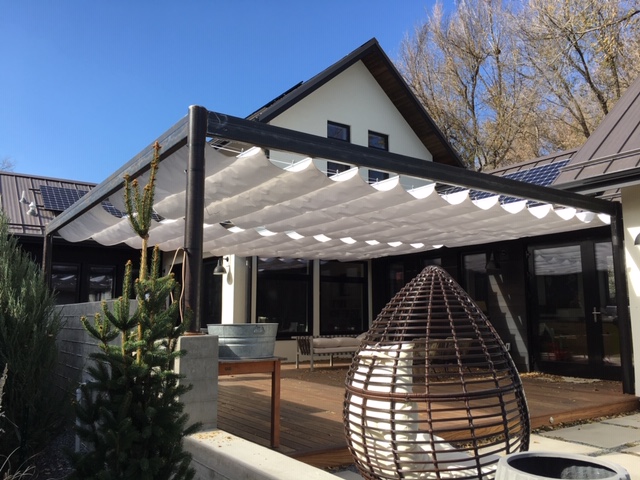
When choosing an awning, think about its primary purpose. Are you looking to provide shade for outdoor seating, protect customers from the elements, or enhance the aesthetic appeal of your establishment? Defining your needs will guide you toward the right type of awning, whether it’s retractable, stationary, or motorized.

Match the Awning to Your Brand Style

Your awning should complement your restaurant or café’s branding and ambiance. Consider the design, color, and material to ensure it aligns with your overall aesthetic. For a modern look, sleek metal or canvas awnings in neutral tones work well, while striped or brightly colored options can evoke a lively, retro vibe.

Evaluate Durability and Weather Resistance

Since your awning will face varying weather conditions, durability is essential. Opt for high-quality materials like UV-resistant fabrics or powder-coated metal frames to ensure longevity. Awnings with weatherproof coatings can withstand rain, wind, and sun, maintaining their appearance and function over time.

Factor in Size and Placement

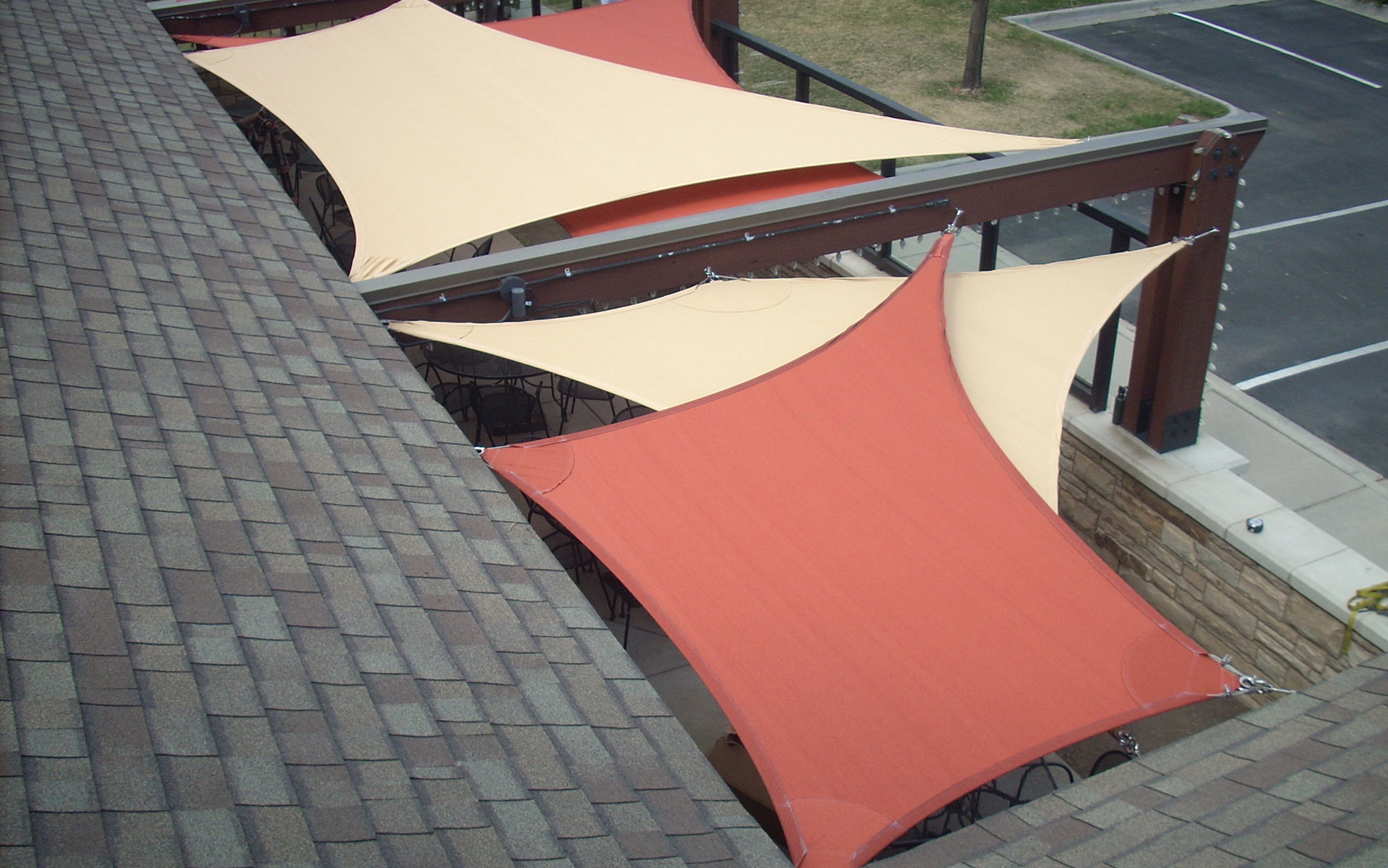
The size and placement of your awning should maximize its utility without overwhelming your space. Measure your outdoor area and consider any structural constraints. Ensure the awning covers high-traffic areas like entrances or patios while leaving enough clearance for visibility and accessibility.

Consider Energy Efficiency

Awnings can also improve energy efficiency by reducing direct sunlight and cooling costs. Choose designs that offer optimal shade without blocking natural light indoors, creating a comfortable environment for both customers and staff.

The perfect awning for your restaurant or café blends style, functionality, and durability to create a welcoming outdoor space. By considering its purpose, aligning it with your brand, and ensuring it can withstand weather conditions, you’ll enhance customer experiences and elevate your establishment’s appeal. With careful planning, your awning will become a valuable asset to your business.

Awnings for Urban Dwellings and Compact Businesses

In densely populated urban areas and for compact businesses with limited space, awnings offer a smart and stylish way to maximize functionality while improving energy efficiency and enhancing curb appeal. From providing shade and protection against the elements to offering valuable branding opportunities, awnings are a versatile solution that can transform both homes and businesses. This guide will explore how awnings can help urban dwellers and business owners optimize their space, improve their energy efficiency, and create a more inviting and attractive environment for visitors and customers alike.

Space Optimization

Awnings are an excellent option for urban dwellings and compact businesses looking to optimize their space. They can extend the usable area of a property, providing shade and protection from the elements without taking up valuable indoor space. Awnings can also create inviting outdoor areas for customers, enhancing the overall appeal of a business.

Energy Efficiency

Awnings can help improve energy efficiency in urban dwellings and compact businesses by reducing the amount of direct sunlight that enters a building. This can help reduce cooling costs in the summer by keeping indoor spaces cooler and more comfortable. Additionally, awnings can help prevent heat loss in the winter by providing an extra layer of insulation.

Branding and Visibility

Awnings can serve as effective branding tools for compact businesses in urban areas. They can be customized with logos, colors, and graphics to help businesses stand out and attract customers. Awnings can also improve visibility from a distance, making it easier for potential customers to locate a business.

Weather Protection

In urban environments, weather conditions can be unpredictable. Awnings provide a barrier against rain, snow, and harsh sunlight, allowing outdoor areas to be used year-round. This is particularly beneficial for businesses that offer outdoor seating or displays.

Aesthetic Appeal

Awnings can enhance the aesthetic appeal of urban dwellings and compact businesses, adding a touch of style and sophistication to their exteriors. With a variety of colors, fabrics, and designs to choose from, awnings can be customized to complement the architecture and decor of any property.

Awnings provide a multitude of benefits for urban dwellings and compact businesses, from optimizing space and reducing energy costs to boosting visibility and enhancing aesthetic appeal. By offering protection from the elements and allowing for year-round use of outdoor areas, awnings can be a valuable addition to any property. Whether used to create comfortable outdoor spaces or to make a business stand out, awnings are a practical, customizable solution that can meet the unique needs of urban environments.

Awning Accessories: Wind Sensors, Remote Controls, and Smart Home Integration

Adding accessories to your awning can enhance its functionality, convenience, and overall appeal. Here are some popular awning accessories that can take your outdoor experience to the next level:

Wind Sensors

Wind sensors are a valuable accessory for awnings, especially in areas prone to strong gusts. These sensors can detect high winds and automatically retract the awning to prevent damage. They provide peace of mind, knowing that your awning is protected even when you’re not around to monitor it.

Remote Controls

Remote controls allow you to operate your awning with ease. With just the push of a button, you can extend or retract your awning to adjust to changing weather conditions or create the perfect outdoor ambiance. Remote controls are convenient and user-friendly, making them a popular choice among awning owners.

Smart Home Integration

For the ultimate convenience and control, consider integrating your awning with your smart home system. This allows you to operate your awning using voice commands or smartphone apps, giving you complete control from anywhere. Smart home integration also opens up possibilities for automating your awning based on weather forecasts or time of day.

Adding accessories like wind sensors, remote controls, and smart home integration can enhance the functionality and convenience of your awning. These accessories not only make operating your awning easier but also provide added protection and control, allowing you to enjoy your outdoor space to the fullest.

Get a Free Estimate