Why Commercial Awnings Are Essential for Your Business in 2026

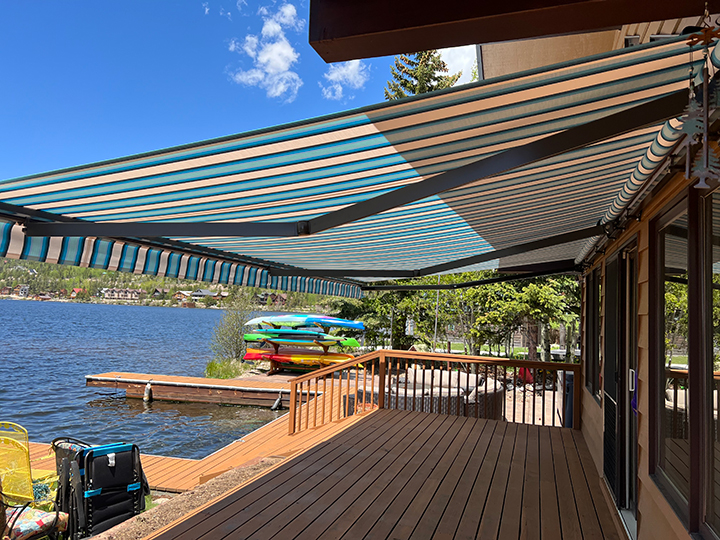
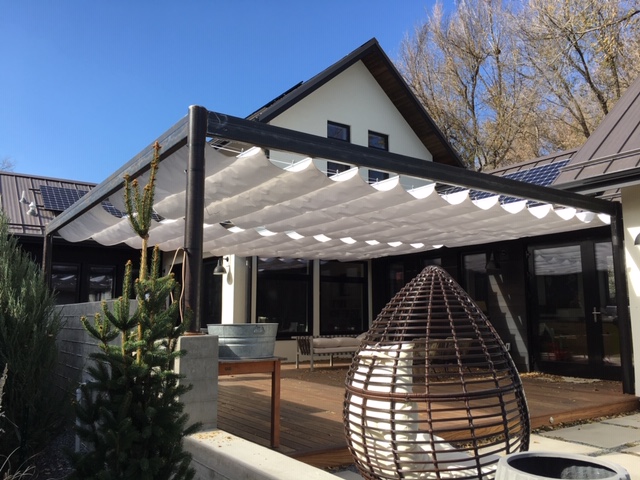
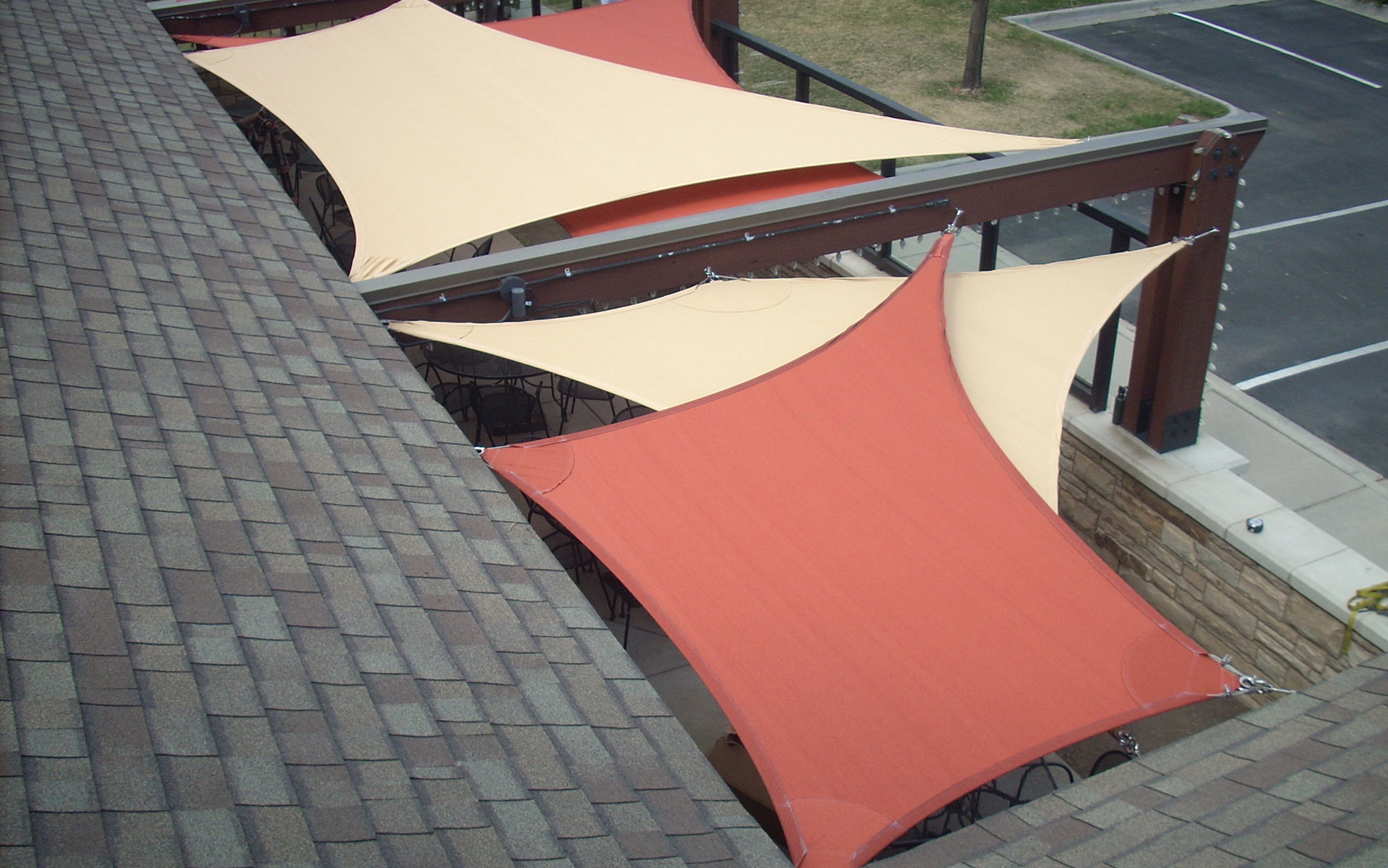
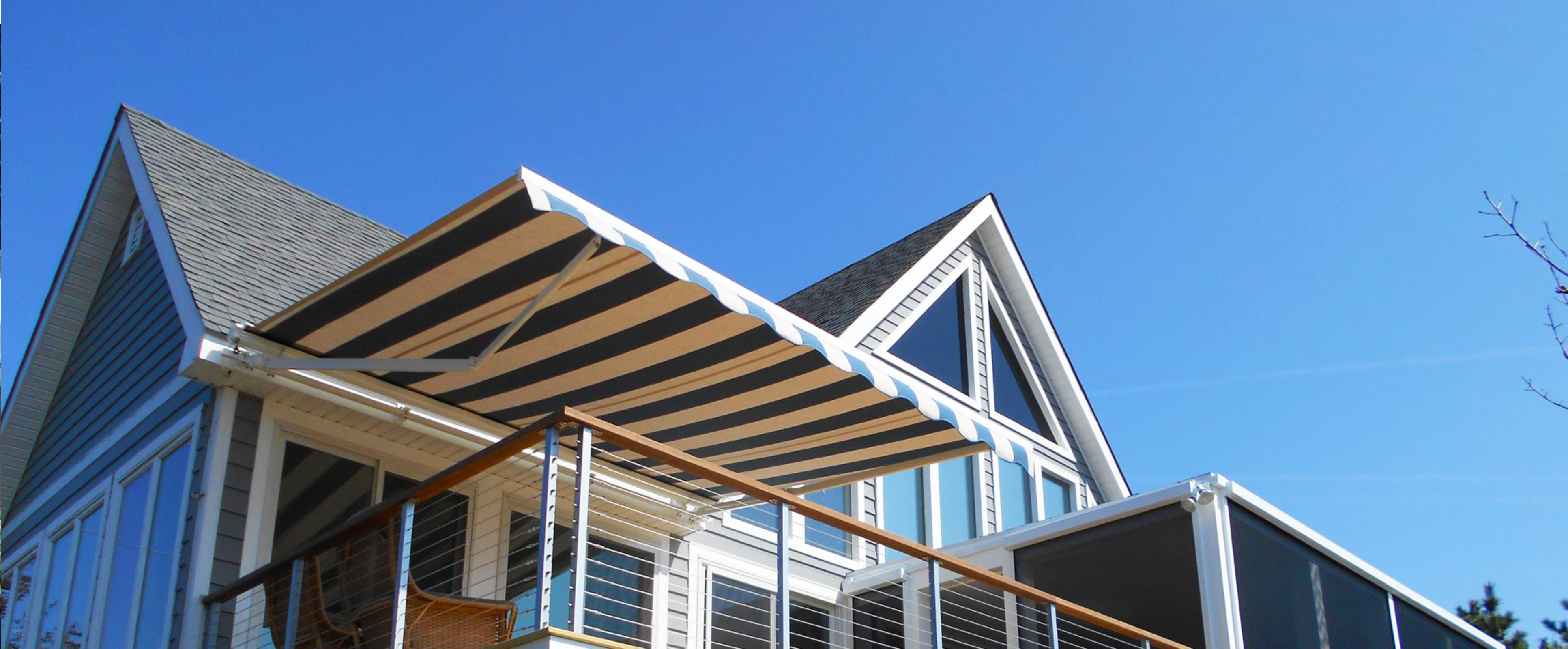
In today’s competitive marketplace, first impressions and customer comfort matter more than ever. As businesses adapt to new consumer expectations in 2026, commercial awnings are becoming an increasingly popular and practical investment. Far beyond simple shade structures, modern awnings combine functionality, style, and sustainability to enhance curb appeal, reduce energy costs, and improve the overall customer experience. Whether you own a café, retail shop, restaurant, or office, a well-designed awning can make your business stand out while supporting long-term success.

Boosting Curb Appeal and Brand Visibility

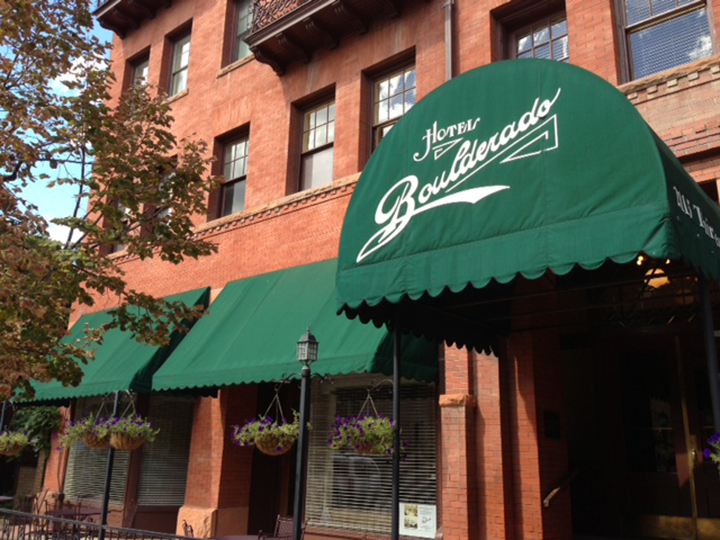
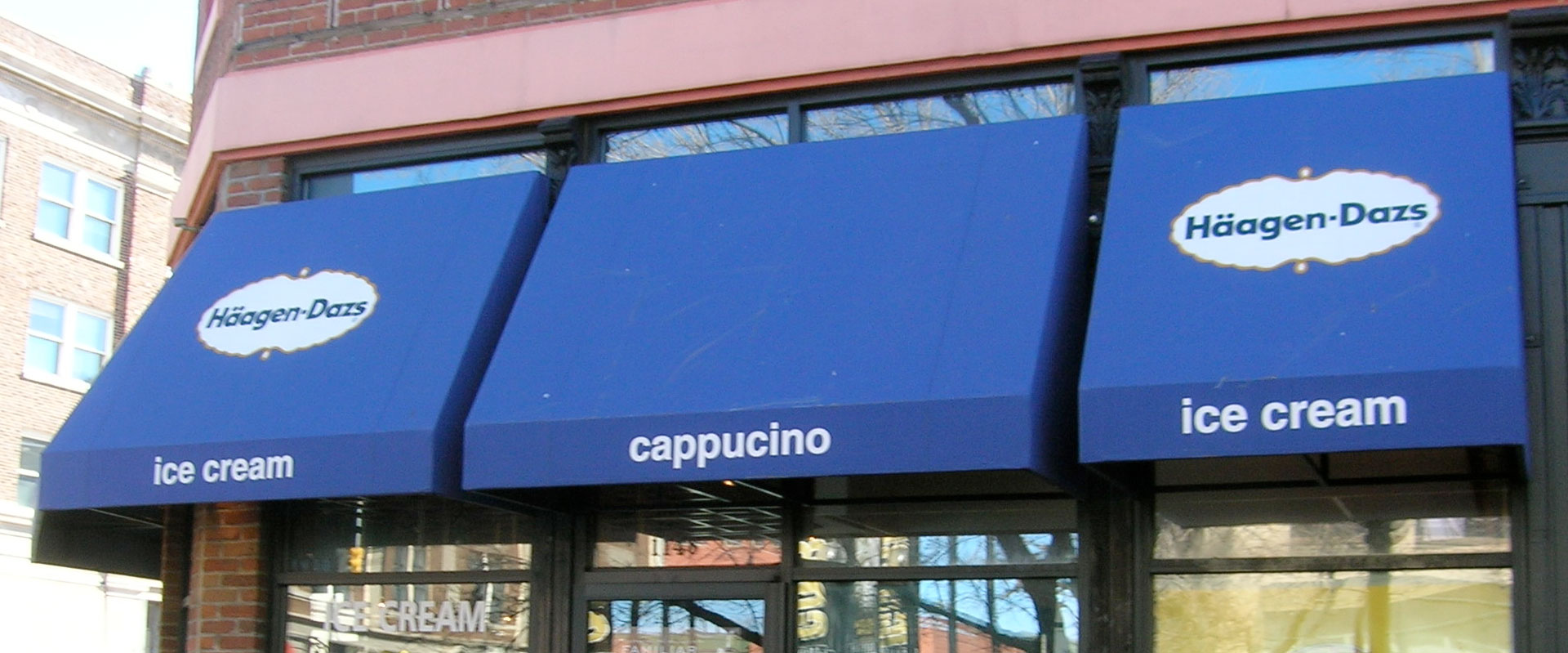
The exterior of your business sets the tone for what customers can expect inside. Awnings create an inviting and polished look that draws attention and distinguishes your storefront from competitors. With customizable designs, colors, and branding options, you can incorporate your logo, business name, or signature color scheme directly onto your awning. This turns a practical addition into a marketing tool that strengthens brand recognition. In 2026, where visual branding is key to attracting customers both in person and online, a striking awning helps make your business more memorable.

Enhancing Customer Comfort and Experience

Customer comfort directly affects how long people stay and how likely they are to return. Awnings provide shade from the sun, shelter from rain, and protection from glare—creating a more pleasant outdoor experience for patrons. Restaurants can extend seating outdoors without worrying about unpredictable weather, while retail stores can offer shaded areas for window shopping or browsing. As more customers value comfort, convenience, and outdoor options, businesses with functional awnings gain an advantage in delivering the kind of experience that encourages repeat visits.

Reducing Energy Costs and Improving Efficiency

Energy efficiency is a growing priority for businesses in 2026, and awnings can make a measurable difference in reducing operational costs. By blocking direct sunlight from windows and entryways, they help regulate indoor temperatures and lessen the need for air conditioning during warmer months. This leads to lower utility bills and reduced environmental impact. Modern awning materials are designed with UV-resistant and reflective coatings, maximizing their effectiveness in temperature control while preserving their appearance over time.

Expanding Usable Space

For many businesses, every square foot matters. Awnings allow you to extend usable space beyond your building’s interior, making it possible to serve more customers or showcase more products. For restaurants and cafés, this means adding comfortable, shaded outdoor dining areas that attract passersby. For retail stores, awnings can create attractive display zones or outdoor waiting areas. Even offices and professional spaces benefit from covered entryways that make arrivals and departures more welcoming. Expanding usable space in this way not only improves functionality but also adds perceived value to your property.

Weather Protection and Longevity

Awnings provide essential protection from the elements—for both your customers and your business investment. By shielding windows, doors, and signage from harsh sun, rain, or snow, awnings help extend the life of your exterior materials and reduce maintenance costs. They prevent fading, warping, and water damage, all of which can lead to expensive repairs over time. High-quality awnings made from durable fabrics and reinforced frames are designed to withstand a range of weather conditions, ensuring reliable performance year-round.

Strengthening Brand Identity and Professionalism

A professional-looking exterior signals quality and trustworthiness to potential customers. Awnings contribute to a cohesive visual identity, tying together your business’s architectural elements and branding. For franchises or multi-location companies, uniform awning designs help maintain brand consistency across sites. For independent businesses, a distinctive awning design reinforces personality and style, helping you stand out in a crowded marketplace. In 2026, when digital marketing drives people to visit physical locations, an appealing exterior supported by an attractive awning helps convert curiosity into foot traffic.

A Smart Investment for Long-Term Growth

Ultimately, a commercial awning is more than just an accessory—it’s a long-term investment in your business’s image, comfort, and efficiency. With modern materials, customizable designs, and sustainability benefits, awnings are perfectly suited for the demands of 2026 and beyond. They enhance visual appeal, reduce costs, protect assets, and create spaces where customers feel welcomed and valued.

In an era when experience and aesthetics drive customer loyalty, a well-designed awning helps your business make a lasting impression. Whether you’re refreshing your storefront or expanding your outdoor space, investing in a commercial awning ensures your business is ready to thrive—rain or shine.

The Future of Awning Technology: What to Expect in 2026

As outdoor living continues to evolve, awning technology is entering an exciting new phase. In 2026, homeowners can expect smarter, more versatile, and energy-efficient solutions that enhance comfort and style while simplifying outdoor living.

Smart Automation and Connectivity

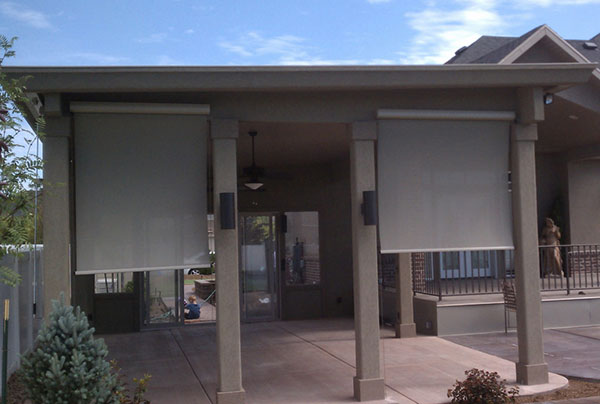
Next-generation awnings will feature advanced automation, allowing users to adjust shades with voice commands, smartphone apps, or even sensors that respond to sunlight and wind. Integration with smart home systems will make it effortless to control outdoor comfort, giving homeowners more convenience and efficiency.

Durable and Sustainable Materials

Innovation in materials will make awnings more durable, lightweight, and environmentally friendly. Expect fabrics that resist fading, mold, and tearing, along with frames made from recyclable metals and composites. These improvements ensure long-lasting performance with minimal maintenance.

Energy Efficiency and Climate Control

Future awnings will play a bigger role in energy savings. Reflective fabrics and insulated designs will reduce solar heat gain, helping to keep interiors cooler during summer months. Some models may incorporate solar panels to power small outdoor lighting or devices, combining shade with renewable energy.

Customization and Aesthetic Appeal

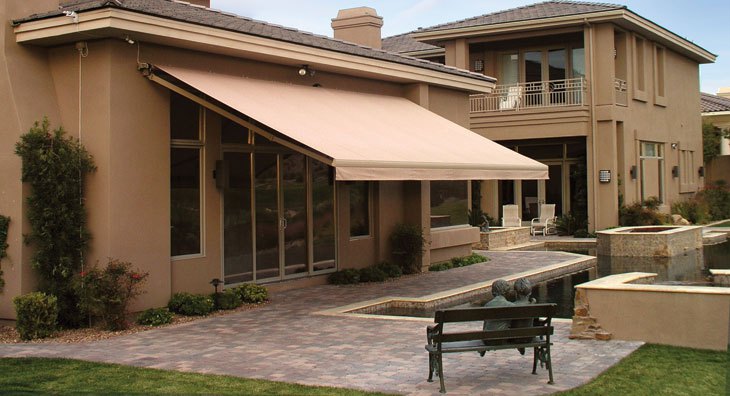
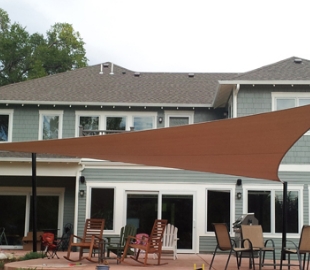
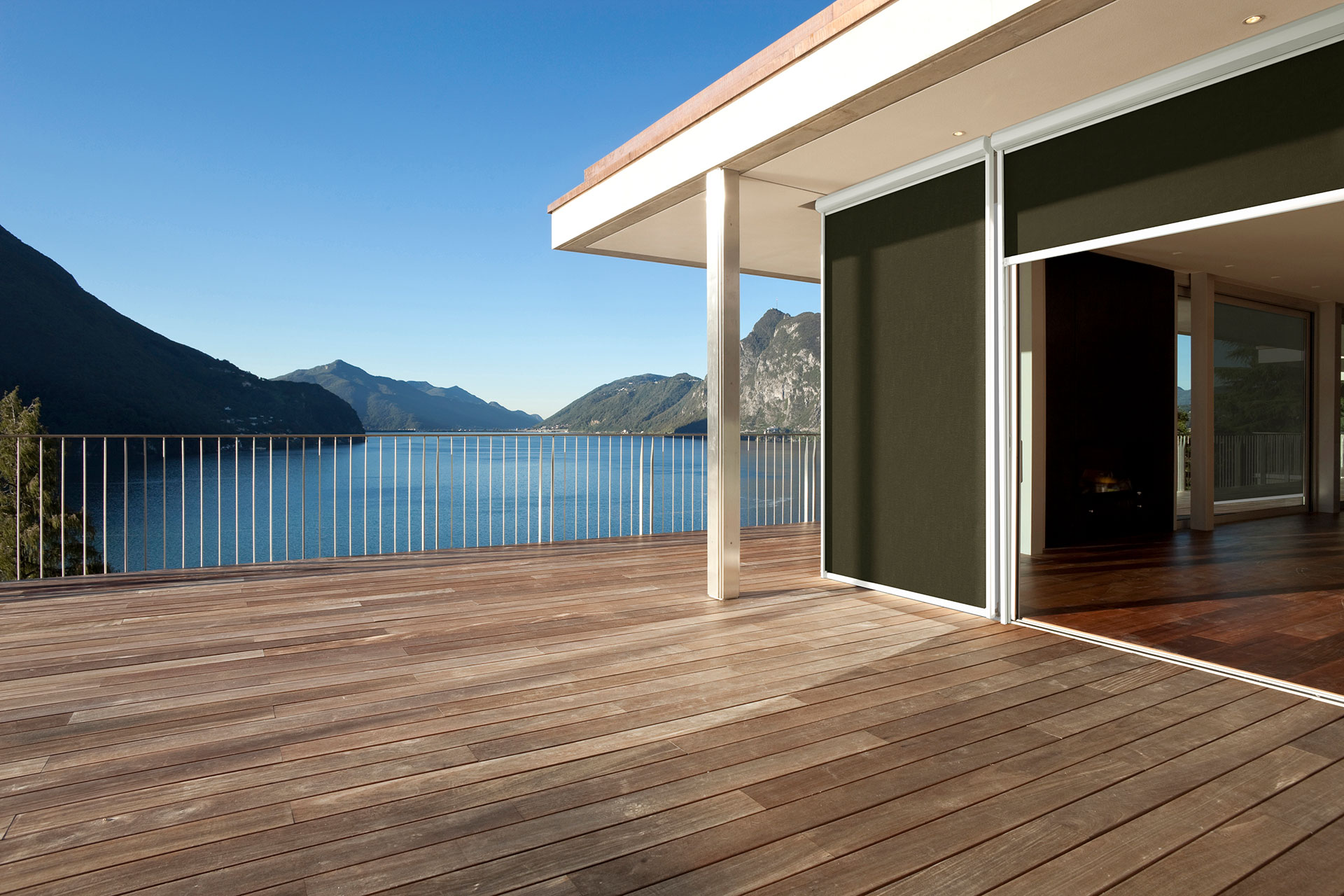
Design flexibility will continue to grow, allowing homeowners to choose colors, patterns, and frame styles that match their outdoor space. Retractable options, motorized arms, and modular designs will provide tailored solutions for patios, decks, and commercial spaces.

The future of awning technology in 2026 promises smarter, more customizable, and energy-efficient solutions that elevate outdoor living. With innovations in automation, materials, and design, homeowners can enjoy enhanced comfort, reduced energy costs, and visually stunning outdoor spaces. Embracing these advancements ensures your patio, deck, or balcony remains stylish, functional, and ready for every season.

How to Winterize Your Motorized Awning to Avoid Damage

As colder months approach, preparing your motorized awning for winter is essential to prevent damage and prolong its lifespan. Snow, ice, and freezing temperatures can wreak havoc on your awning’s mechanical components and fabric if left unprotected. A few simple steps can save you from costly repairs and ensure your awning is ready for use when warm weather returns.

Retract and Inspect

Before winter sets in, fully retract your motorized awning. Inspect it for any signs of wear, such as tears in the fabric or rust on the frame. Addressing minor issues now prevents them from worsening during the off-season.

Clean the Awning Fabric

Dirt, mold, and debris left on the fabric can lead to stains and deterioration. Clean the awning using mild soap and water, allowing it to dry completely before storing it. This helps preserve the material and prevents mildew from forming.

Disconnect the Power Source

To avoid electrical issues, disconnect the motorized mechanism from its power source. This protects the motor from surges and prevents accidental activation during freezing conditions.

Use a Protective Cover

Consider using a weather-resistant awning cover for added protection. A fitted cover keeps out snow, moisture, and debris, shielding both the motor and the fabric from the elements.

Schedule a Professional Tune-Up

If your awning requires maintenance or has been acting up, schedule a professional checkup before winter. A technician can ensure all components are working properly and make any necessary repairs before the season sets in.

Winterizing your motorized awning is a simple but critical step to protect your investment. By retracting, cleaning, disconnecting power, and covering your awning, you shield it from the harsh effects of snow, ice, and cold temperatures. Add a professional tune-up for peace of mind, and you’ll ensure your awning stays in top shape—ready to roll out again when the warm weather returns.

How Awnings Can Improve Your Customers’ Experience at Your Business

First impressions matter—and the exterior of your business plays a big role in shaping how customers perceive you. Installing awnings can elevate both the look and functionality of your storefront, offering practical benefits that improve customer satisfaction and increase foot traffic.

Enhanced Curb Appeal

Awnings add an eye-catching design element that draws attention to your business. Whether you choose bold colors or classic stripes, a well-designed awning complements your brand and makes your building stand out, helping customers find you more easily.

Protection from the Elements

Customers appreciate comfort, especially when weather is unpredictable. Awnings provide shelter from rain, snow, and intense sun, allowing visitors to linger comfortably outside your entrance or windows. This added protection creates a welcoming atmosphere regardless of the season.

Expanded Usable Space

If your business includes outdoor seating, display windows, or sidewalk sales, awnings extend your usable space. For restaurants and cafés, this means year-round patio dining with less worry about sudden weather changes. For retail shops, it means additional covered room to showcase merchandise.

Energy Efficiency

By providing shade, awnings reduce the amount of heat entering your building through windows and doors. This helps maintain a cooler indoor environment during summer, which can lower your energy bills and make your space more comfortable for customers and employees alike.

Investing in quality awnings is a straightforward way to elevate both the look and functionality of your storefront, directly boosting customer comfort and satisfaction. By combining eye-catching design with real protection from the elements and added space for seating or merchandise, you’ll create a more welcoming atmosphere that encourages guests to linger—and return. Enhance your business façade with an awning solution tailored to your brand, and watch how this simple upgrade can make a big impact on your customers’ experience and your bottom line.

Best Materials for Awnings to Withstand Harsh Weather

When selecting an awning, choosing the right material is essential to ensure it stands up to the elements year-round. Whether facing intense sun, heavy rain, wind, or snow, your awning needs to be made from durable, weather-resistant materials. Here are some of the best options to consider when shopping for a high-performance awning.

Acrylic Fabric

Acrylic is a popular choice for awnings thanks to its ability to resist fading and mildew. It performs exceptionally well in both hot and damp climates, offering long-term color retention and protection from UV rays. Its breathable nature also reduces heat buildup underneath the awning.

Vinyl-Coated Polyester

Vinyl-coated polyester combines strength and flexibility, making it ideal for areas prone to rain or snow. This waterproof material is easy to clean and provides excellent durability against mold and mildew. It’s also tear-resistant, offering reliable performance in windy conditions.

Solution-Dyed Polyester

This fabric is manufactured with color infused into the fibers during production, giving it superior resistance to fading. It’s a tough, UV-resistant material that can also withstand moisture and moderate wind, making it a well-rounded option for varying climates.

Aluminum Awnings

For maximum durability, aluminum awnings are hard to beat. They can withstand high winds, snow loads, and intense sun without deteriorating. Though heavier and more permanent, aluminum awnings require minimal maintenance and offer excellent long-term value.

Not all awnings are built the same—and when harsh weather is a factor, material matters. Whether you go with fade-resistant acrylic, waterproof vinyl-coated polyester, colorfast solution-dyed polyester, or ultra-durable aluminum, choosing the right material means better protection, less upkeep, and longer lifespan. Invest wisely now, and your awning will deliver comfort and coverage through every season.

How to Extend the Life of Your Awning: Maintenance Tips for Homeowners

Awnings are a great way to enhance your outdoor living space, providing shade and protection from the elements. To ensure your awning lasts for years, regular maintenance is key. Here are some simple tips to help extend its lifespan.

Clean Your Awning Regularly

Dirt, debris, and bird droppings can accumulate on your awning, potentially damaging the fabric over time. Clean it regularly using a mild soap solution and a soft brush. Avoid harsh chemicals that could break down the material. Be sure to clean both the top and bottom to prevent mold and mildew growth.

Check for Wear and Tear

Inspect your awning periodically for signs of damage, such as frayed edges, tears, or weakened support structures. Small issues can be addressed early, preventing more costly repairs down the line. If you notice significant damage, consider consulting a professional to repair or replace the awning.

Retract the Awning When Not in Use4

Retracting your awning during harsh weather conditions, such as heavy rain or strong winds, will prevent unnecessary stress on the fabric and frame. This simple step can prevent premature wear and protect your investment.

Protect Against the Sun

Overexposure to sunlight can cause the fabric to fade and weaken. Consider installing an awning with UV-resistant material, or apply a UV protectant to the fabric for added protection against the sun’s harmful rays.

A well-maintained awning can serve you reliably for years, but it takes regular care to stay in top shape. By cleaning it routinely, checking for damage, retracting it during bad weather, and protecting it from UV rays, you’ll extend its life and preserve its appearance. A little upkeep now saves you time, money, and headaches later—while keeping your outdoor space comfortable and stylish.

Get a Free Estimate