How Awnings Can Improve Your Customers’ Experience at Your Business

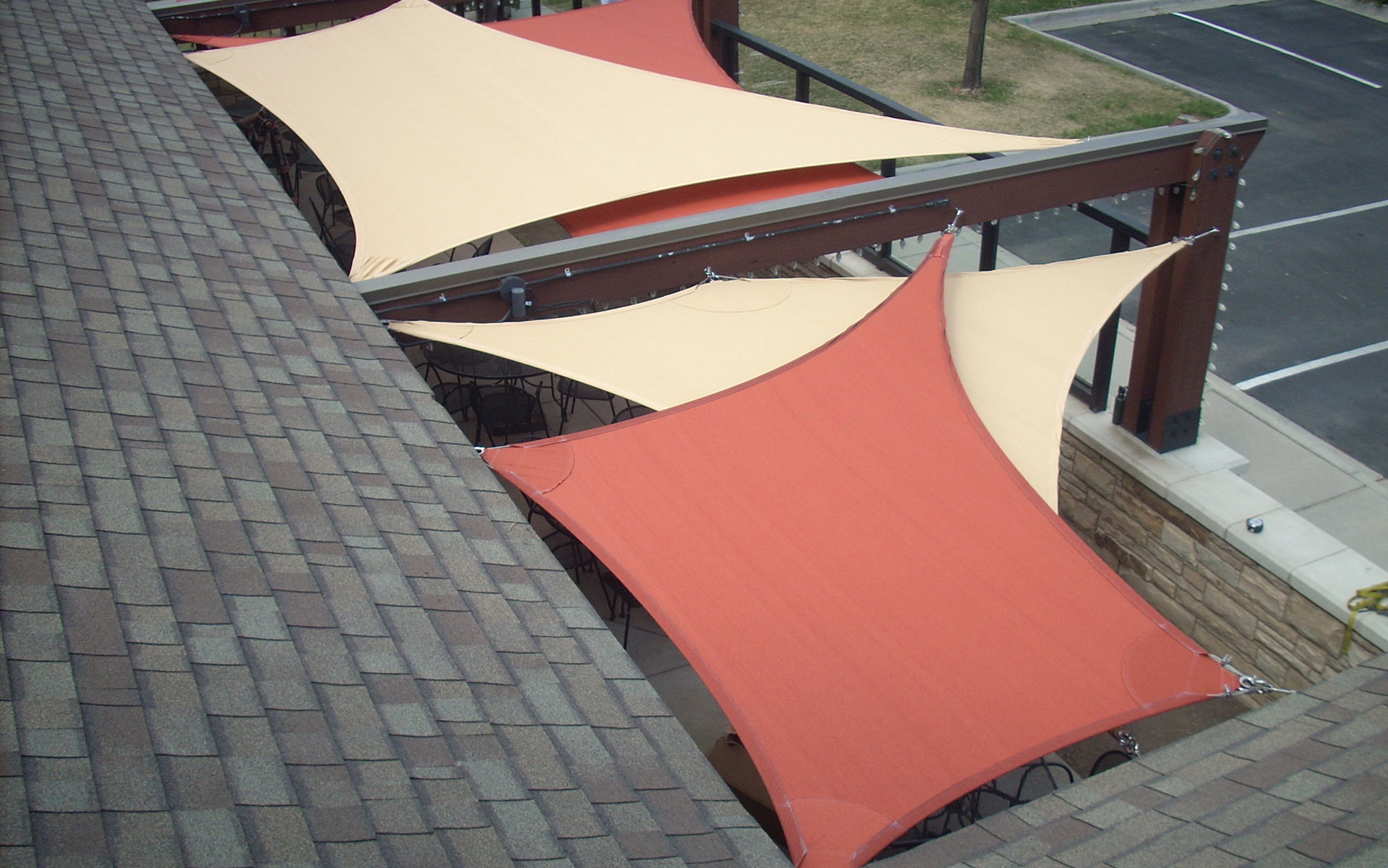
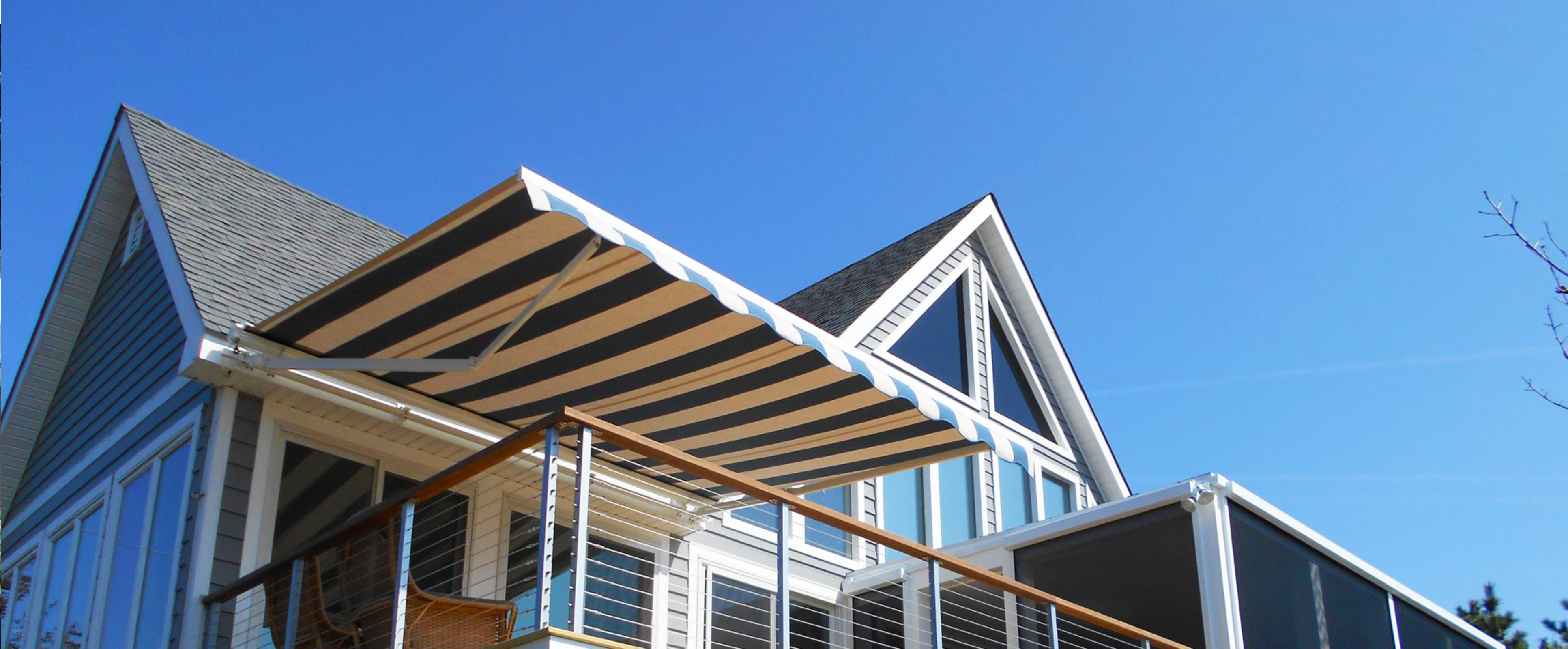
First impressions matter—and the exterior of your business plays a big role in shaping how customers perceive you. Installing awnings can elevate both the look and functionality of your storefront, offering practical benefits that improve customer satisfaction and increase foot traffic.

Enhanced Curb Appeal

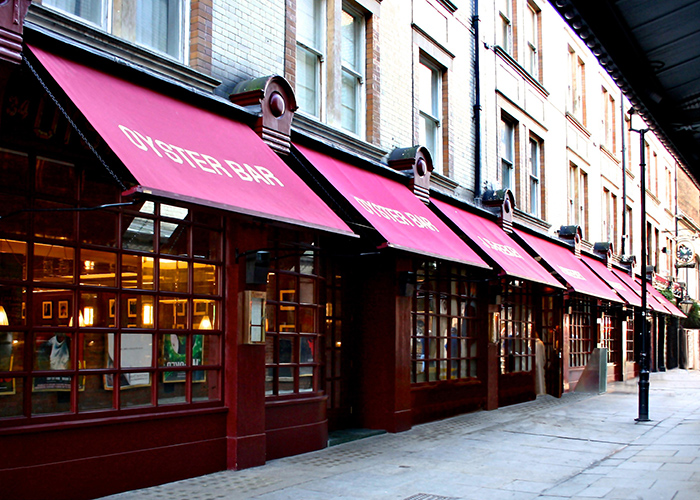
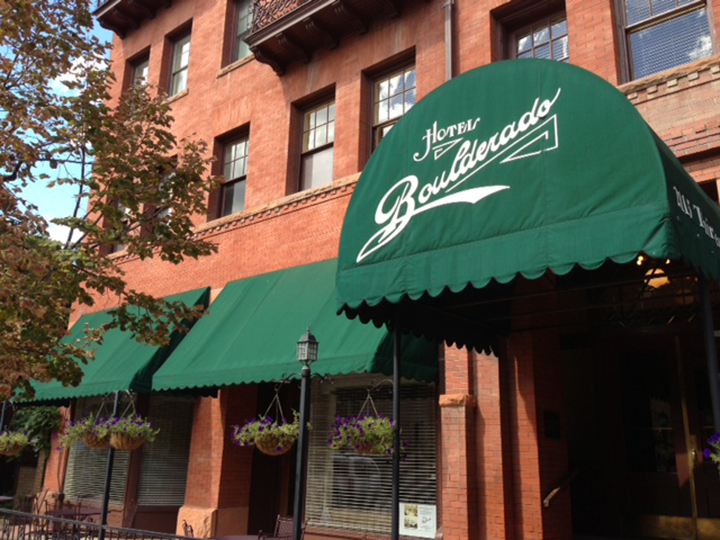
Awnings add an eye-catching design element that draws attention to your business. Whether you choose bold colors or classic stripes, a well-designed awning complements your brand and makes your building stand out, helping customers find you more easily.

Protection from the Elements

Customers appreciate comfort, especially when weather is unpredictable. Awnings provide shelter from rain, snow, and intense sun, allowing visitors to linger comfortably outside your entrance or windows. This added protection creates a welcoming atmosphere regardless of the season.

Expanded Usable Space

If your business includes outdoor seating, display windows, or sidewalk sales, awnings extend your usable space. For restaurants and cafés, this means year-round patio dining with less worry about sudden weather changes. For retail shops, it means additional covered room to showcase merchandise.

Energy Efficiency

By providing shade, awnings reduce the amount of heat entering your building through windows and doors. This helps maintain a cooler indoor environment during summer, which can lower your energy bills and make your space more comfortable for customers and employees alike.

Investing in quality awnings is a straightforward way to elevate both the look and functionality of your storefront, directly boosting customer comfort and satisfaction. By combining eye-catching design with real protection from the elements and added space for seating or merchandise, you’ll create a more welcoming atmosphere that encourages guests to linger—and return. Enhance your business façade with an awning solution tailored to your brand, and watch how this simple upgrade can make a big impact on your customers’ experience and your bottom line.
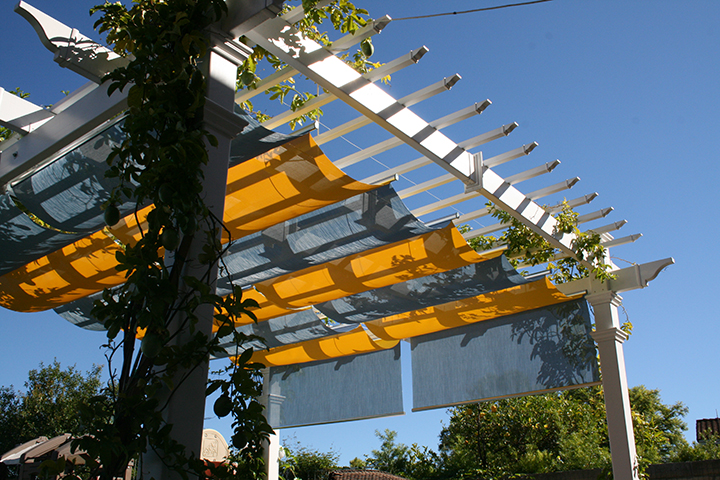
Best Materials for Awnings to Withstand Harsh Weather

When selecting an awning, choosing the right material is essential to ensure it stands up to the elements year-round. Whether facing intense sun, heavy rain, wind, or snow, your awning needs to be made from durable, weather-resistant materials. Here are some of the best options to consider when shopping for a high-performance awning.

Acrylic Fabric

Acrylic is a popular choice for awnings thanks to its ability to resist fading and mildew. It performs exceptionally well in both hot and damp climates, offering long-term color retention and protection from UV rays. Its breathable nature also reduces heat buildup underneath the awning.

Vinyl-Coated Polyester

Vinyl-coated polyester combines strength and flexibility, making it ideal for areas prone to rain or snow. This waterproof material is easy to clean and provides excellent durability against mold and mildew. It’s also tear-resistant, offering reliable performance in windy conditions.

Solution-Dyed Polyester

This fabric is manufactured with color infused into the fibers during production, giving it superior resistance to fading. It’s a tough, UV-resistant material that can also withstand moisture and moderate wind, making it a well-rounded option for varying climates.

Aluminum Awnings

For maximum durability, aluminum awnings are hard to beat. They can withstand high winds, snow loads, and intense sun without deteriorating. Though heavier and more permanent, aluminum awnings require minimal maintenance and offer excellent long-term value.

Not all awnings are built the same—and when harsh weather is a factor, material matters. Whether you go with fade-resistant acrylic, waterproof vinyl-coated polyester, colorfast solution-dyed polyester, or ultra-durable aluminum, choosing the right material means better protection, less upkeep, and longer lifespan. Invest wisely now, and your awning will deliver comfort and coverage through every season.

Protecting Your Outdoor Space with Solar Screens and Awnings

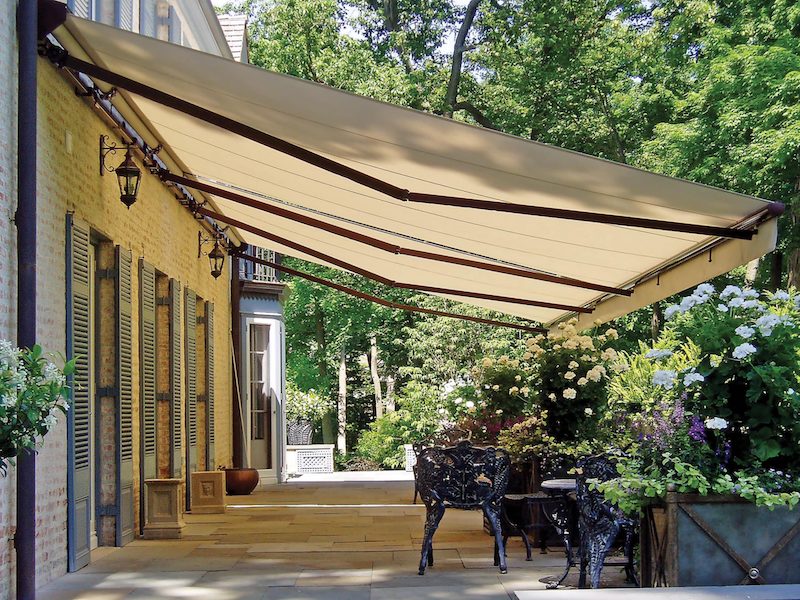
Spending time outdoors should be enjoyable, but excessive heat and glare from the sun can make your patio or deck uncomfortable. Solar screens and awnings offer the perfect solution, providing shade, reducing heat, and enhancing your outdoor living space. Here’s how these features can transform your home.

Reduce Heat and Glare

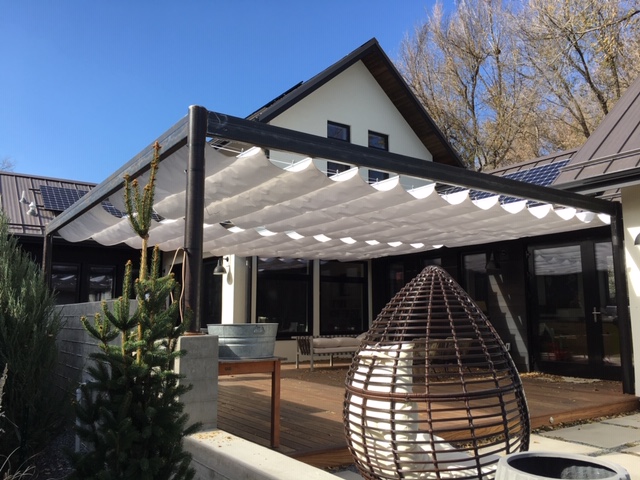
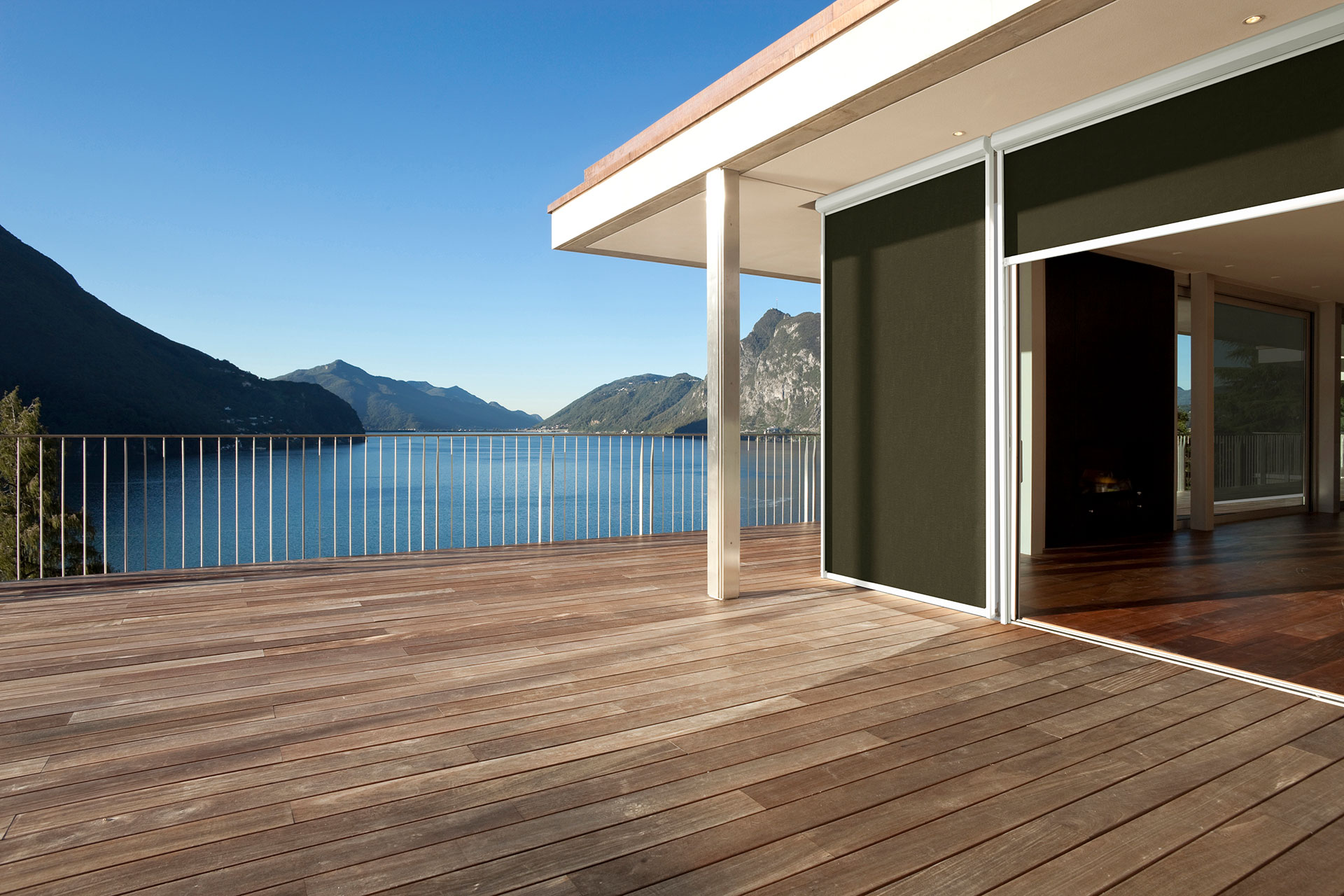
Solar screens and awnings are designed to block harmful UV rays, keeping your outdoor space significantly cooler. By reducing direct sunlight exposure, you can enjoy a more comfortable environment while also protecting your skin from UV damage.

Enhance Energy Efficiency

By shading windows and doors, solar screens and awnings can help lower indoor temperatures, reducing the strain on your air conditioning system. This results in lower energy bills and a more sustainable home.

Protect Your Outdoor Furniture

Constant exposure to sunlight can cause outdoor furniture, cushions, and rugs to fade over time. Installing solar screens and awnings provides essential shade, preserving the appearance and longevity of your outdoor décor.

Add Style and Value

Available in various colors, patterns, and designs, solar screens and awnings can complement your home’s exterior while increasing curb appeal. A well-designed shading system not only enhances aesthetics but can also boost property value.

Enjoy Your Outdoor Space Year-Round

With the right shading solutions, your patio or deck becomes a year-round retreat. Whether you’re relaxing in the afternoon or entertaining guests, solar screens and awnings create a comfortable and inviting outdoor atmosphere.

Installing solar screens and awnings is a smart way to make your outdoor space more comfortable, energy-efficient, and stylish. By reducing heat and glare, protecting furniture, and enhancing your home’s curb appeal, these shading solutions allow you to enjoy your patio or deck year-round. With the right setup, you can create a cool, inviting space perfect for relaxation and entertainment.

How to Match Your Awning Design to Your Home’s Architecture

Adding an awning to your home is a great way to enhance curb appeal while providing shade and energy efficiency. However, choosing the right design is key to ensuring it complements your home’s architecture. From classic to contemporary styles, here’s how to find the perfect match.

Consider Your Home’s Architectural Style

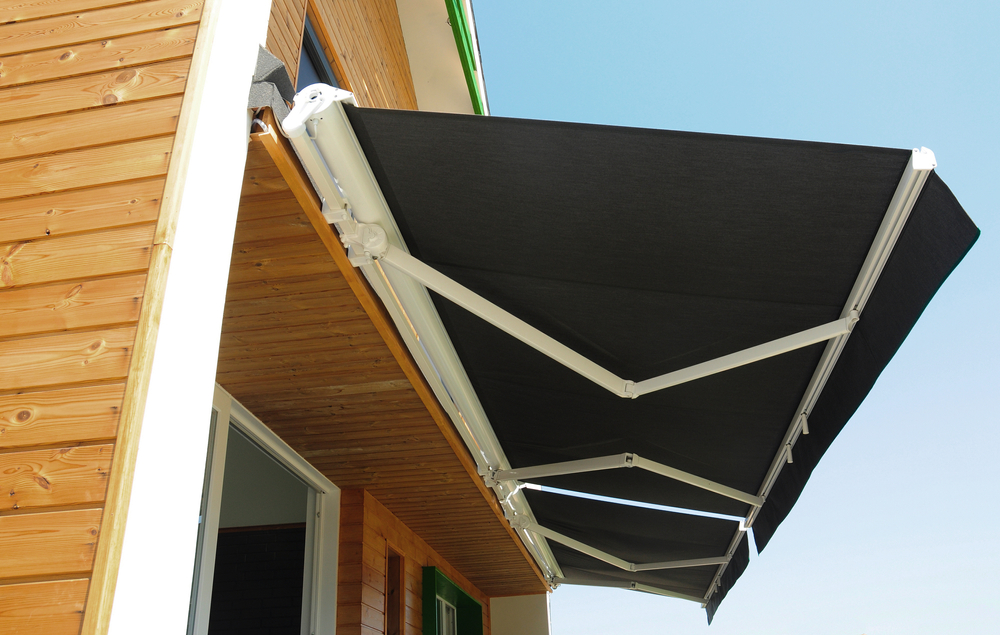
The design of your awning should align with your home’s overall aesthetic. Traditional homes, such as Colonial or Victorian styles, pair well with striped fabric awnings and decorative valances. Modern homes benefit from sleek, retractable awnings with minimalist frames and neutral colors.

Choose Complementary Colors

Your awning should enhance your home’s exterior color palette rather than clash with it. Earth tones and soft neutrals work well with rustic and farmhouse-style homes, while bold or monochromatic awnings suit contemporary architecture.

Select the Right Material

The material of your awning plays a role in both function and design. Canvas and fabric awnings add warmth and charm, making them ideal for classic and Mediterranean-style homes. Metal and acrylic awnings offer a more modern and durable option for industrial and minimalist designs.

Match the Shape and Structure

Awnings come in various shapes, from domed to flat or sloped. Arched or scalloped awnings suit traditional homes, while clean-lined, retractable options fit well with contemporary properties.

Choosing the right awning design ensures that it not only enhances your home’s aesthetics but also adds functional value. By considering your home’s architectural style, selecting complementary colors, choosing suitable materials, and matching the shape and structure, you can create a seamless and stylish look. A well-matched awning not only boosts curb appeal but also provides comfort and energy efficiency, making it a smart addition to any home.

How to Choose the Best Awning for Your Restaurant or Café

Choosing the right awning for your restaurant or café is a strategic decision that enhances functionality, customer comfort, and overall aesthetic appeal. By understanding your needs and evaluating key factors like style, durability, and placement, you can select an awning that perfectly complements your establishment.

Consider Functionality and Purpose

When choosing an awning, think about its primary purpose. Are you looking to provide shade for outdoor seating, protect customers from the elements, or enhance the aesthetic appeal of your establishment? Defining your needs will guide you toward the right type of awning, whether it’s retractable, stationary, or motorized.

Match the Awning to Your Brand Style

Your awning should complement your restaurant or café’s branding and ambiance. Consider the design, color, and material to ensure it aligns with your overall aesthetic. For a modern look, sleek metal or canvas awnings in neutral tones work well, while striped or brightly colored options can evoke a lively, retro vibe.

Evaluate Durability and Weather Resistance

Since your awning will face varying weather conditions, durability is essential. Opt for high-quality materials like UV-resistant fabrics or powder-coated metal frames to ensure longevity. Awnings with weatherproof coatings can withstand rain, wind, and sun, maintaining their appearance and function over time.

Factor in Size and Placement

The size and placement of your awning should maximize its utility without overwhelming your space. Measure your outdoor area and consider any structural constraints. Ensure the awning covers high-traffic areas like entrances or patios while leaving enough clearance for visibility and accessibility.

Consider Energy Efficiency

Awnings can also improve energy efficiency by reducing direct sunlight and cooling costs. Choose designs that offer optimal shade without blocking natural light indoors, creating a comfortable environment for both customers and staff.

The perfect awning for your restaurant or café blends style, functionality, and durability to create a welcoming outdoor space. By considering its purpose, aligning it with your brand, and ensuring it can withstand weather conditions, you’ll enhance customer experiences and elevate your establishment’s appeal. With careful planning, your awning will become a valuable asset to your business.

Manual vs. Motorized Awnings: Which One is Right for You in 2025

Choosing between manual and motorized awnings for your outdoor space in 2025 depends on your lifestyle, budget, and preferences for convenience. Both options provide effective shading solutions, but each has unique benefits. Manual awnings are cost-effective and easy to install, while motorized awnings offer high convenience and advanced automation. This guide breaks down the features, advantages, and considerations of each option to help you select the best fit for your home.

Understanding Manual Awnings

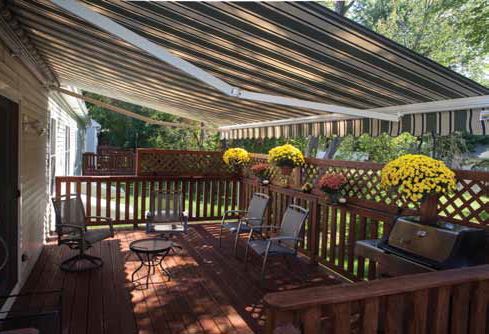
Manual awnings offer a classic and cost-effective solution for outdoor shading. Typically operated with a hand-crank system, they are simple to install and require minimal maintenance. Many homeowners appreciate the direct control they provide, allowing for easy adjustments based on the weather or personal preference. However, the physical effort required to operate them may not suit everyone, especially those with mobility challenges.

Advantages of Motorized Awnings

Motorized awnings are designed for convenience and ease of use. With the push of a button, you can extend or retract your awning, making them ideal for quick adjustments on sunny or rainy days. Many modern motorized options come equipped with sensors that automatically deploy or retract the awning based on weather conditions, providing added protection and reducing wear and tear. This level of automation is particularly appealing for busy lifestyles.

Factors to Consider

When deciding between manual and motorized awnings, consider factors such as budget, convenience, and space. Manual awnings tend to be more affordable upfront but may require more effort to operate. Motorized options, while typically more expensive, offer greater ease and functionality, making them a worthwhile investment for some homeowners.

The decision between manual and motorized awnings comes down to balancing cost, convenience, and functionality. If you prefer a simple, budget-friendly solution and don’t mind some manual effort, a manual awning might be ideal. However, if ease of use and automation align more with your lifestyle, a motorized awning could be a valuable investment. As technology continues to evolve, both options offer reliable solutions for enhancing outdoor comfort, ensuring you can enjoy your space no matter the weather.

Get a Free Estimate