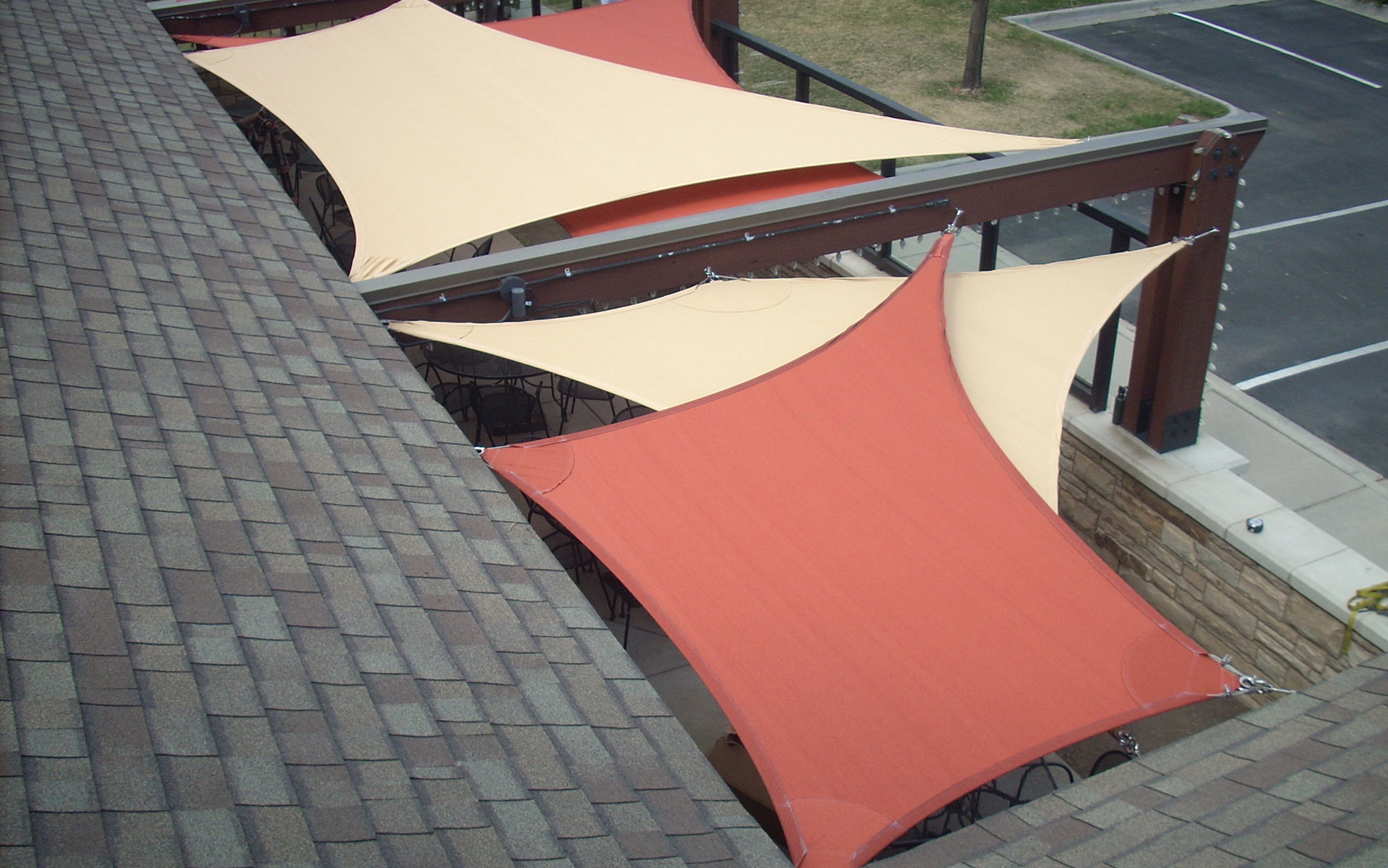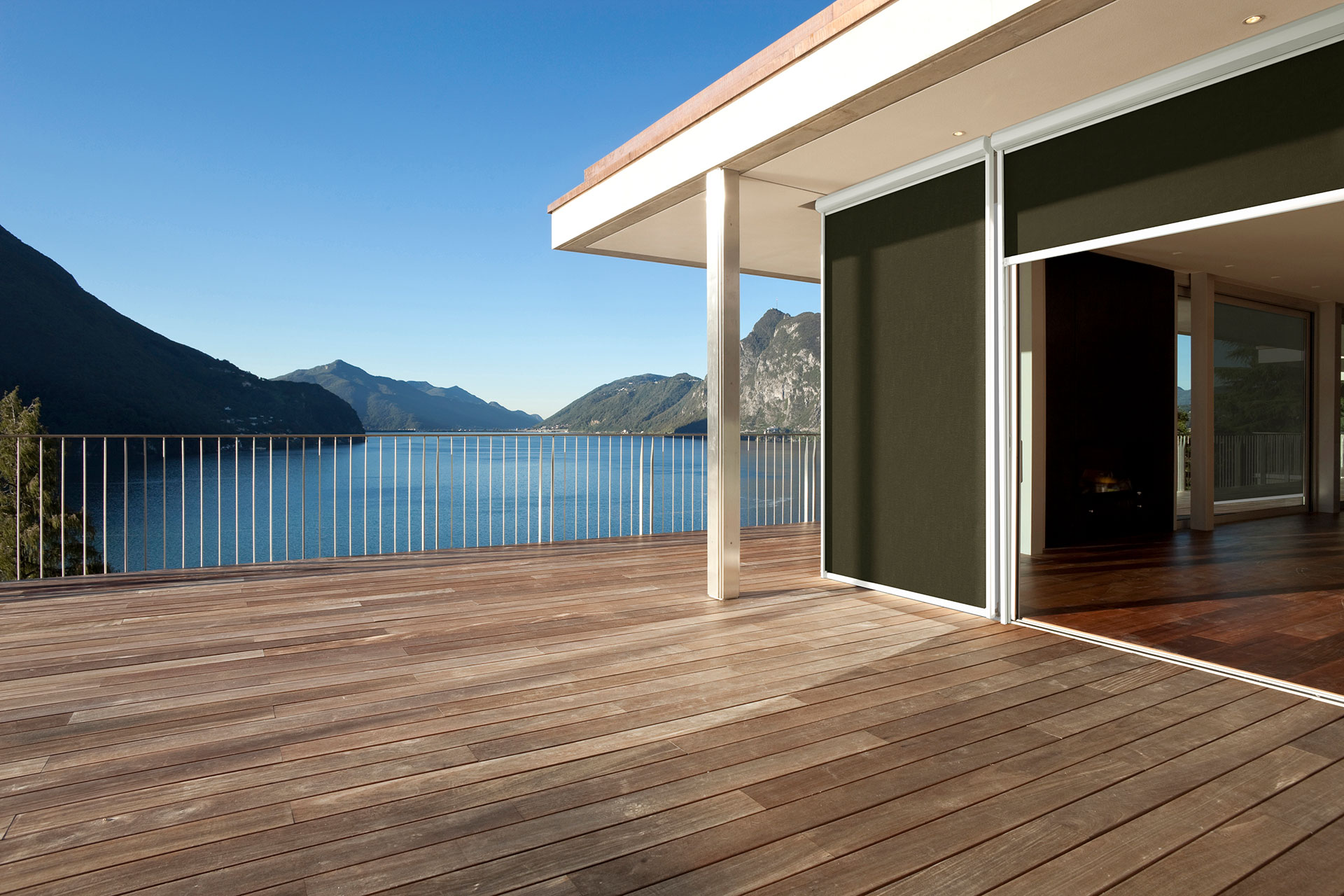
During the summer months, strong sunlight can make outdoor spaces uncomfortable and even increase indoor cooling costs. Too much direct sun exposure can also cause fading to furniture, flooring, and exterior materials over time. One of the most effective and flexible solutions for managing sun exposure are retractable awnings. These systems provide shade when you need it and can be easily retracted when you want full sunlight, making them a practical and stylish addition to any home.
How Retractable Awnings Work
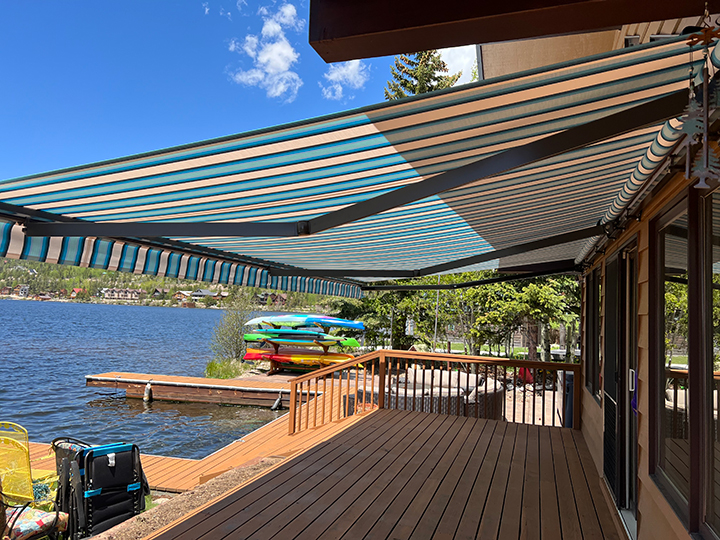
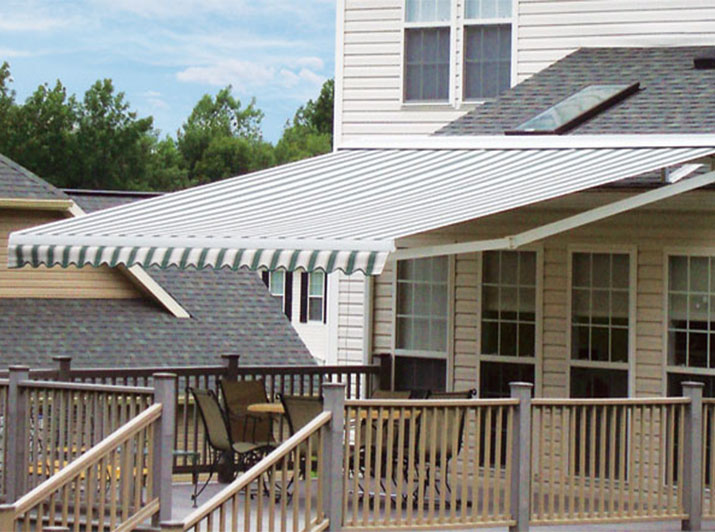
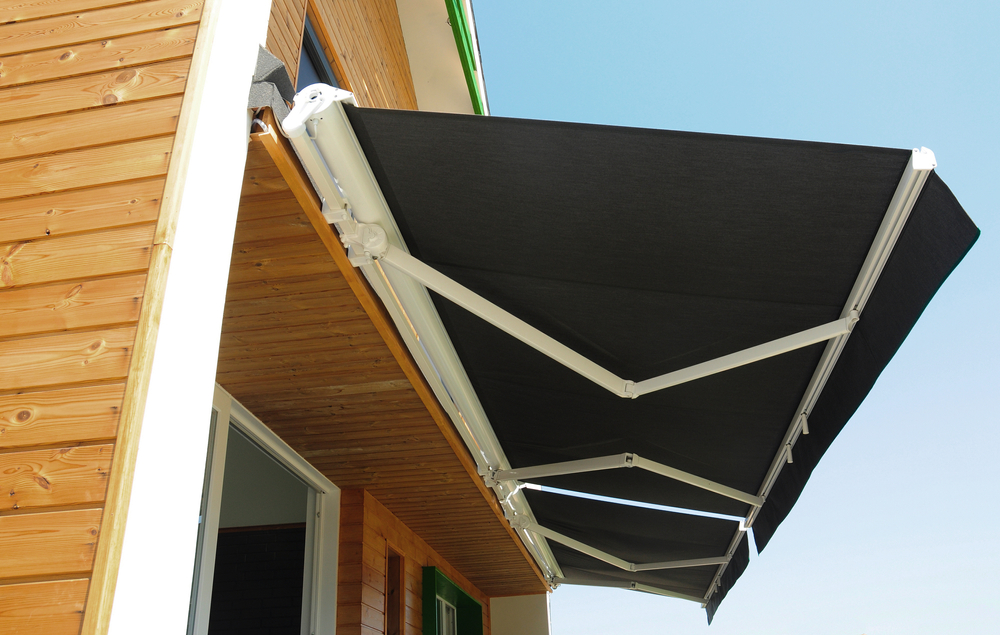
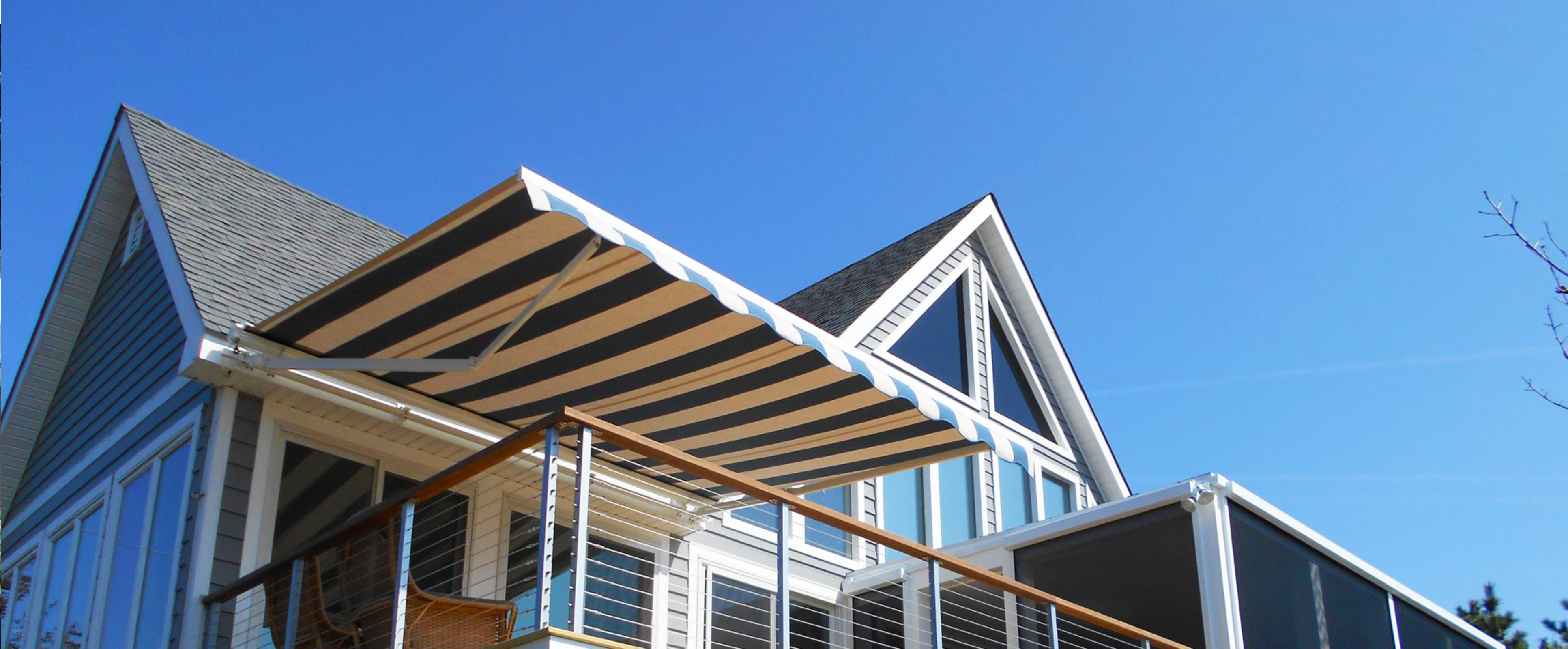
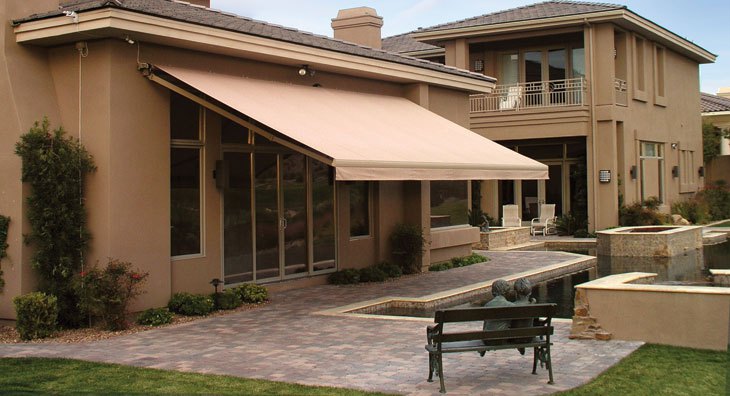
Retractable awnings are shading systems installed on the exterior of a home, typically above patios, decks, or windows. They extend outward to create shade and retract back when not in use. Most modern awnings can be operated manually with a crank or automatically with a motorized system. This flexibility allows homeowners to control sunlight and shade based on weather conditions and personal preference.
Reducing Indoor Heat and Energy Costs
One of the biggest benefits of retractable awnings is their ability to reduce indoor temperatures. By blocking direct sunlight from entering windows and glass doors, they help keep your home cooler naturally. This reduces the need for air conditioning, which can lower energy bills during peak summer months. Over time, this energy efficiency makes awnings a cost-effective home improvement.
Protecting Outdoor Living Spaces
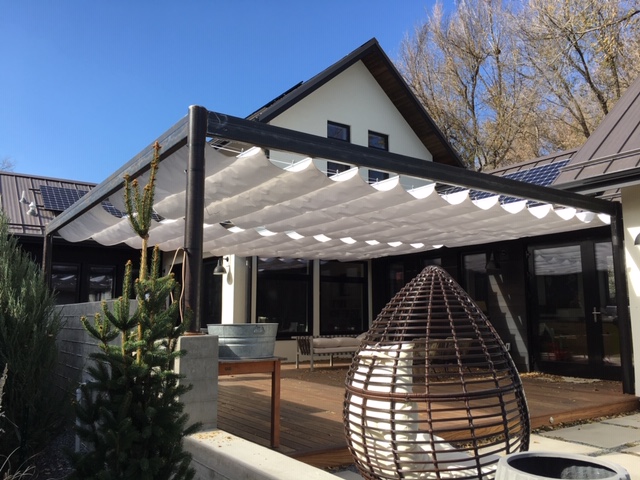
Outdoor areas like patios and decks can become too hot to enjoy during intense sunlight. Retractable awnings create comfortable shaded spaces where you can relax, dine, or entertain guests. They allow you to use your outdoor areas more frequently throughout the day, even during the hottest parts of summer. This makes your backyard feel like a true extension of your home.
Preventing Sun Damage to Furniture and Materials
UV rays can cause significant damage to outdoor and indoor furnishings. Over time, exposure can lead to fading, cracking, and deterioration of fabrics, wood, and other materials. Retractable awnings act as a protective barrier, reducing UV exposure and helping preserve the condition of your furniture, rugs, and flooring. This protection extends the lifespan of your investments.
Flexible Shade Control Throughout the Day
Unlike permanent structures, retractable awnings offer adjustable shade. You can extend them during peak sunlight hours and retract them in the evening or on cloudy days. This flexibility allows you to enjoy natural light when desired while still having protection when needed. It gives homeowners more control over their outdoor and indoor environments.
Enhancing Curb Appeal and Home Design
Retractable awnings are not just functional—they also add visual appeal to a home’s exterior. Available in a wide range of colors, patterns, and materials, they can complement your home’s architectural style. Whether you prefer a modern, clean look or a more traditional design, awnings can enhance curb appeal while serving a practical purpose.
Increasing Comfort for Outdoor Entertaining
If you enjoy hosting gatherings, retractable awnings can make your outdoor space more comfortable for guests. They provide shade for seating and dining areas, helping everyone stay cool even on hot days. This makes summer entertaining more enjoyable and allows events to last longer without discomfort from direct sun exposure.
Motorized Options for Convenience
Modern retractable awnings often come with motorized systems that make operation effortless. With the push of a button or remote control, you can extend or retract the awning in seconds. Some advanced models even include sensors that automatically adjust the awning based on wind or sunlight conditions, offering both convenience and protection.
Durability and Weather Resistance
High-quality retractable awnings are designed to withstand outdoor conditions such as sun exposure, light rain, and wind. The materials used are typically UV-resistant and water-repellent, ensuring long-term performance. Proper installation and occasional maintenance help ensure the awning remains in good condition for many years.
Easy Maintenance and Care
Maintaining a retractable awning is relatively simple. Regular cleaning of the fabric helps prevent dirt and mildew buildup. It’s also important to retract the awning during severe weather conditions to prevent damage. Periodic inspection of mechanical components ensures smooth operation and extends the lifespan of the system.
A Smart Investment for Year-Round Benefits
Retractable awnings offer both immediate and long-term benefits for homeowners. They improve comfort, reduce energy costs, and protect your home from sun damage while enhancing outdoor living spaces. Their flexibility and style make them a valuable addition to any property. By investing in a retractable awning, you can enjoy a more comfortable, energy-efficient, and visually appealing home throughout the summer and beyond.